
Branded USB Sticks: The Complete Australian Buying Guide for Businesses and Resellers
Everything you need to know about ordering branded USB sticks in Australia — storage, decoration, MOQs, pricing and supplier tips.

Written by
Benji Taylor
Tech & Electronics
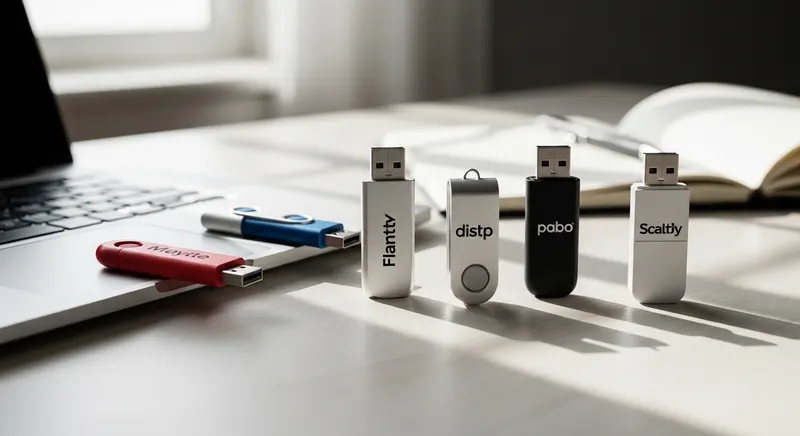
Branded USB sticks have quietly earned a reputation as one of the most practical and enduring promotional products available to Australian businesses and resellers. While trendy gadgets come and go, the humble USB drive continues to deliver genuine everyday utility — and that’s exactly what makes branded merchandise stick (pun intended). Whether you’re a marketing agency sourcing client gifts, a reseller building out your tech accessories catalogue, or a corporate business planning a conference giveaway in Sydney or Melbourne, this guide will walk you through everything you need to know before you place an order.
Why Branded USB Sticks Remain a Smart Promotional Investment
In an era where everything is moving to the cloud, you might wonder whether USB drives still have a place in a promotional products strategy. The answer is a firm yes — and the numbers back it up. USB sticks are among the most retained promotional items on the market. Recipients rarely throw them away because they remain functional tools in everyday work and home environments.
For businesses, the logic is straightforward. Every time a client plugs in your branded USB drive, your logo appears on their desk, their laptop, or their screen. That’s repeated brand exposure with minimal ongoing cost. Compare that to a printed flyer that ends up in a bin by end of day, and the value proposition becomes obvious.
From a reseller’s perspective, branded USB sticks offer strong margins, broad market appeal, and easy customisation options that suit almost any client brief — from a Gold Coast real estate agency wanting to load property listings onto drives for open homes, to a Canberra government department distributing policy documents at a public forum.
It’s also worth noting that USB sticks pair well with other tech accessories in a promotional bundle. Combining them with items like a USB extension cable creates a cohesive, practical gift set that clients genuinely use.
Understanding Storage Capacities and What They Mean for Your Clients
One of the first decisions you’ll face when ordering branded USB sticks is selecting the storage capacity. This isn’t just a technical detail — it directly affects the perceived value of the product and how recipients actually use it.
Common Capacity Options
- 1GB–4GB — Entry-level and cost-effective. Suitable for lightweight branding use, simple document storage, or event handouts where budget is tight.
- 8GB–16GB — The sweet spot for most corporate and educational applications. Ideal for preloading presentations, catalogues, course materials, or event programs.
- 32GB–64GB — Higher perceived value, suitable for tech-forward clients, creative agencies, or industries where large file transfers are common.
- 128GB+ — Premium tier, often used as executive gifts or for industries like photography, design, or film production.
For most corporate giveaways at conferences in Brisbane or Adelaide, the 8GB option hits the right balance between cost and usefulness. If your client is a school or university distributing study resources, 16GB gives students enough room to be genuinely useful throughout their course.
Preloading Content
One feature that sets USB sticks apart from most other promotional products is the ability to preload digital content. This transforms a simple giveaway into a marketing tool. Preloaded content can include product catalogues, video presentations, discount codes, event programs, or software. If your client wants to distribute a virtual product demo or digital brochure, this is a powerful use case that justifies a higher per-unit spend.
Decoration Methods for Branded USB Sticks
Getting your logo onto a USB stick requires some thought, because the small surface area presents real design challenges. Here’s a breakdown of the most common decoration approaches used by Australian suppliers.
Laser Engraving
Laser engraving is the premium choice for metal and aluminium USB housings. It produces a clean, precise, and permanent result that doesn’t fade or peel. This is the go-to method for corporate gifts where quality and longevity matter. If a Perth mining company is gifting USB drives to project partners, laser engraving on a brushed aluminium casing conveys exactly the right level of professionalism.
Pad Printing
Pad printing is widely used on plastic USB housings. It’s cost-effective for bulk orders and handles simple logo artwork well. Keep in mind that pad printing works best with one or two solid colours — fine details and gradients can be tricky. This method suits events, trade shows, and high-volume giveaways where budget is the primary consideration.
UV Printing (Full Colour Digital Printing)
For full-colour artwork, UV printing delivers vibrant results on flat surfaces. If your client has a detailed logo or wants photographic-quality imagery on their drive, UV printing is the best option. The process is well worth understanding in depth — if you’re also sourcing drinkware, our guide on UV printing and the curing process for promotional drinkware explains the technology in detail.
Dome Labels and Epoxy Stickers
Some suppliers offer dome labels (epoxy resin stickers) as an economical way to apply full-colour branding. Quality varies, and they can peel over time, so this method is better suited to short-term promotional campaigns rather than long-lasting corporate gifts.
Minimum Order Quantities, Pricing, and Turnaround Times
Understanding the commercial realities of ordering branded USB sticks is critical, especially if you’re managing client expectations as a reseller or marketing agency.
Minimum Order Quantities (MOQs)
Most Australian suppliers set MOQs for branded USB sticks at 25–50 units for standard styles. Custom-shaped drives — moulded into product shapes, mascots, or unique forms — typically require higher MOQs of 100–500 units due to manufacturing complexity. If you’re sourcing novelty-style USB drives for a creative campaign, check out what’s available in novelty USB formats to understand the range of options on the market.
Pricing Expectations
Pricing varies significantly based on capacity, housing material, decoration method, and order quantity. As a rough guide for the Australian market in 2026:
- Plastic swivel drives, 8GB, pad printed, 100 units — Approximately $4–$7 per unit
- Metal twist drives, 16GB, laser engraved, 100 units — Approximately $8–$14 per unit
- Custom-shaped drives, 8GB, full colour, 100 units — Approximately $12–$25+ per unit
Setup fees typically range from $40–$80 per colour or decoration position. Always confirm whether your quoted price includes setup and whether GST is included.
Turnaround Times
Standard orders from Australian suppliers typically run 5–15 business days from artwork approval. Rush options exist but usually attract a premium. If your client is ordering for a fixed-date event — a trade show in Melbourne or a Hobart product launch — build in buffer time and request samples or digital proofs early in the process.
Practical Tips for Resellers and Marketing Agencies
Managing a branded USB stick order successfully comes down to a few fundamentals that experienced resellers know well.
Get artwork files right before you order. Vector files (AI, EPS, PDF) are essential for engraving and screen printing. Low-resolution PNG files cause delays and disappointment. Brief your clients clearly on what’s needed.
Match the housing to the brand. A premium financial services firm in Sydney warrants a brushed metal housing with laser engraving. A community sports club in Darwin hosting a fundraiser might be perfectly served by a colourful swivel drive with pad printing. The product should reflect the brand it represents.
Consider the full gifting context. Branded USB sticks often work best as part of a broader merchandise set. If you’re building a welcome pack for a corporate conference, think about what else sits alongside the USB — perhaps a branded notebook, a keep cup, or even a wristband for the event. Cohesion across the pack elevates the overall impression.
Be transparent about preloading lead times. If your client wants content preloaded onto every drive, build an extra 2–5 business days into your schedule. Content preloading is done after drives are manufactured and decorated, so it’s a separate production step.
For eco-conscious clients, explore sustainable options. Bamboo and recycled plastic USB housings are increasingly available and appeal strongly to organisations with sustainability commitments. Pairing USB sticks with other sustainable promotional items gives environmentally focused clients a more complete solution. You might also suggest companion items like a bamboo toothbrush or a personalised gym towel if you’re building a wellness-themed pack.
Matching USB Sticks to the Right Industries and Use Cases
Different sectors use branded USB sticks in distinct ways, and understanding this helps resellers position the product more effectively.
- Real estate — Load property brochures, floor plans, and video walkthroughs onto drives for open home distribution. A Melbourne or Brisbane agency handing out preloaded drives makes a sophisticated first impression.
- Education — Universities and TAFEs in Perth and Adelaide distribute course materials, orientation guides, and digital resources. Higher capacity drives (16GB–32GB) suit academic use.
- Healthcare — Patient education materials, product information for practitioners, and conference handouts. Metal housings with laser engraving look professional in clinical settings.
- Events and conferences — Session schedules, speaker presentations, and sponsor content make USB sticks a practical delegate gift. Pair them with other event items like event wristbands for a complete attendee experience.
- Corporate gifting — End-of-year client gifts, onboarding packs, and VIP sets benefit from premium USB drives. Consider pairing with a wine bag cooler or a personalised towel for a curated gift set.
For clients with health or travel themes, a USB drive can also sit naturally in a traveller’s first aid kit bundle — a creative but practical way to deliver branded value.
Conclusion: Key Takeaways for Ordering Branded USB Sticks
Branded USB sticks remain one of the most versatile and retained promotional products available to Australian businesses and resellers. Getting the order right means thinking beyond just the logo — considering capacity, housing material, decoration method, preloading options, and how the product fits into a broader gifting strategy.
Here are the key points to remember:
- Match storage capacity to actual use — 8GB–16GB suits most corporate and educational applications, while 32GB+ is ideal for premium gifting.
- Choose decoration based on the housing and brand — Laser engraving for metal and professional contexts, pad printing for cost-effective bulk orders, UV printing for full-colour artwork.
- Plan for setup fees, GST, and turnaround times — Factor these into your client quotes to avoid surprises.
- Leverage preloading as a value-add — Content preloading turns a functional product into a genuine marketing tool.
- Bundle strategically — USB sticks paired with complementary tech accessories or conference merchandise create a more memorable and cohesive brand experience.
Whether you’re a reseller building a tech accessories offering or a marketing agency sourcing client gifts, branded USB sticks deliver consistent, practical, and high-visibility brand exposure that holds its own against any newer promotional trend.