
The Complete Guide to Clothes Customization for Australian Businesses and Resellers
Discover how clothes customization works in Australia — decoration methods, MOQs, turnaround times, and tips for resellers and marketing agencies.

Written by
Cleo Wright
Custom Apparel
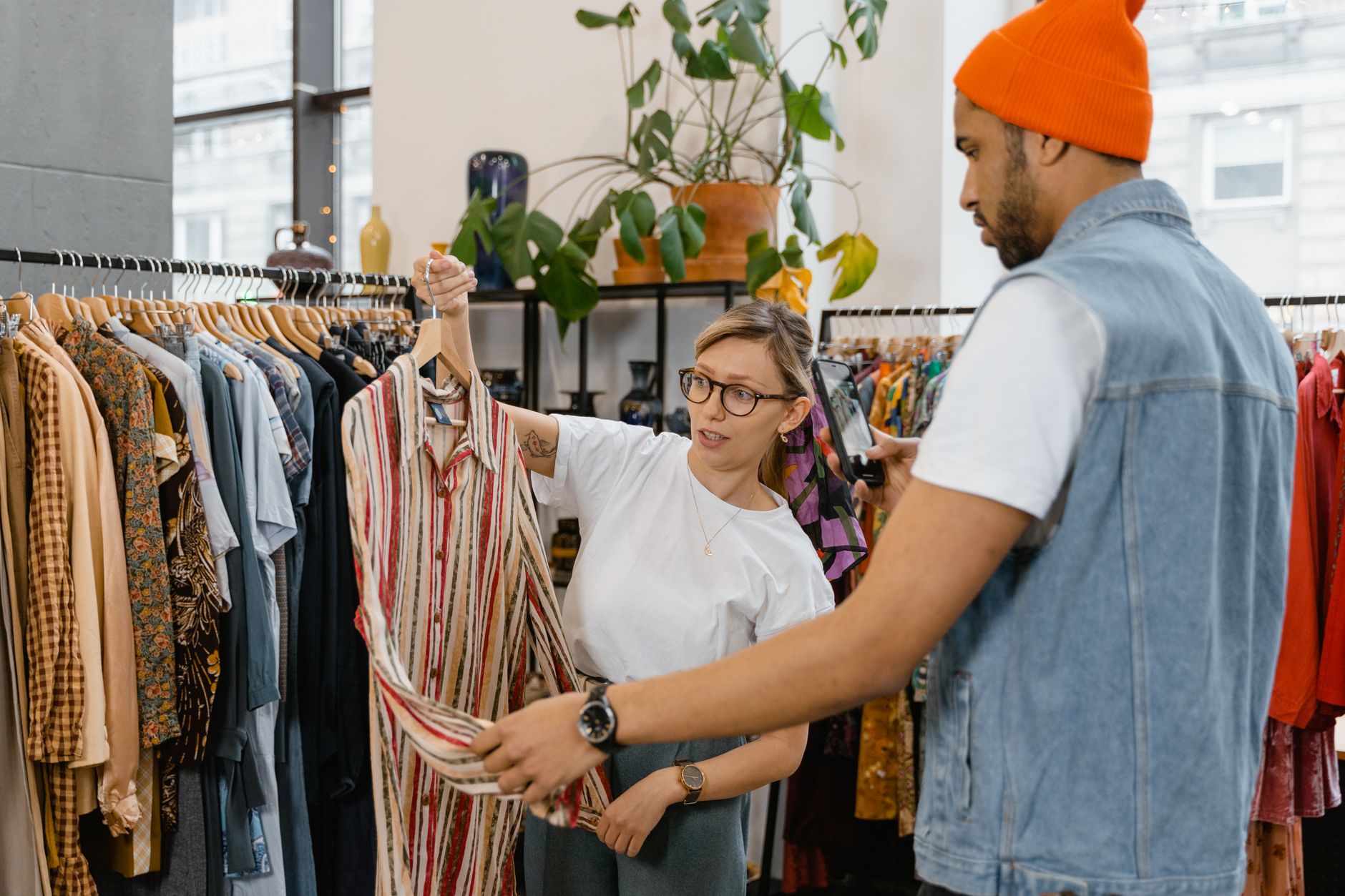
Clothes customization has evolved from a niche service into one of the most powerful branding tools available to Australian businesses, resellers, and marketing agencies. Whether you’re sourcing branded workwear for a Sydney construction company, organising custom polo shirts for a Melbourne corporate client, or building a merchandise range for a Brisbane sporting club, understanding how clothes customization works — from decoration methods through to bulk pricing and turnaround times — is essential to delivering great results. This guide walks you through everything you need to know to make informed decisions, manage client expectations, and source confidently.
What Is Clothes Customization and Why Does It Matter?
At its core, clothes customization is the process of applying a brand’s logo, artwork, or messaging onto garments to create personalised, branded apparel. But in practice, it’s far more nuanced than simply printing a logo on a t-shirt.
For resellers and marketing agencies, clothes customization represents a significant category of repeat business. Clients return year after year for new staff uniforms, seasonal merchandise drops, event apparel, and promotional giveaways. Getting your processes and supplier relationships right from the beginning pays dividends every time a new order comes through.
For businesses sourcing directly, understanding the options available helps you brief suppliers accurately, avoid costly mistakes, and ensure your branded garments look exactly how you envisioned them.
The Australian promotional products market has matured considerably, with local suppliers now offering decoration quality and turnaround speeds that rival international alternatives — often with the added advantages of easier communication, faster shipping, and no import headaches.
Decoration Methods: Choosing the Right Technique for Every Job
One of the most critical decisions in any clothes customization project is selecting the appropriate decoration method. Each technique has its strengths, limitations, and ideal use cases.
Screen Printing
Screen printing is the go-to method for high-volume runs of printed t-shirts and casual garments. It delivers vibrant, durable colours and is extremely cost-effective at volume — typically once you hit 50 units or more. Setup fees apply per colour, so designs with fewer colours are more budget-friendly. PMS colour matching is available with most reputable suppliers, making it ideal for clients with strict brand guidelines.
Screen printing works best on flat, smooth surfaces and is less suitable for heavily textured fabrics or complex photographic imagery.
Embroidery
Embroidery is the premium choice for corporate workwear, polo shirts with logos, caps, and uniforms where a professional, three-dimensional finish is expected. It’s particularly popular for client-facing roles in finance, hospitality, real estate, and healthcare.
Embroidery is priced by stitch count, so intricate designs with fine detail can be costly. A digitised file (converting your artwork into a stitch file) is required before production, which adds a one-off setup fee — but this file can be reused for future orders at no extra cost. Embroidered socks are also increasingly popular for branded merchandise bundles and staff gifts.
Sublimation Printing
Sublimation is the decoration method of choice for full-colour, edge-to-edge designs. The process infuses dye directly into the fabric, resulting in vibrant prints that won’t crack, peel, or fade. It’s ideal for sublimation shirts, sports jerseys, activewear, and any garment where the design needs to wrap around the entire piece.
The key limitation is that sublimation only works on polyester or polyester-blend fabrics, and it’s best suited to white or very light-coloured base garments. For resellers pitching to sporting clubs or events clients, sublimation opens up incredibly creative possibilities.
Heat Transfer and Digital Printing
Heat transfer and direct-to-garment (DTG) digital printing are excellent for short runs, photographic images, or designs with a high number of colours. These methods have lower or no setup fees, making them economical for sample orders or small promotional runs. Quality has improved dramatically in recent years, though print durability may not match screen printing over time for high-wash-frequency garments.
Other Methods
For accessories like trucker caps, straw hats, and golf towels, pad printing, laser engraving, or heat transfer labels may be more appropriate depending on the material and design. Always consult your supplier about the best decoration method for each specific product.
Popular Garment Categories for Clothes Customization in Australia
Understanding which garment types suit different briefs helps you guide your clients towards the right solution.
T-Shirts and Casual Apparel
Custom t-shirts remain the workhorse of the promotional apparel industry. They’re versatile, affordable, and universally appreciated. A Gold Coast event company might order 500 screen-printed t-shirts for a festival, while a Perth retail brand might source a smaller run for a staff launch. For long-sleeved options, long-sleeve polo t-shirts offer a smart-casual look suitable for cooler climates like Hobart and Canberra through the winter months.
Caps and Headwear
Caps are consistently one of the top-performing promotional products in Australia. Nike caps for men and premium trucker-style caps are particularly popular with corporate clients who want gifting options that feel genuinely premium. Embroidery is by far the most popular decoration method for headwear due to its durability and professional finish.
Workwear and Hi-Vis
For trade clients, construction companies, and government departments, branded workwear — including hi-vis vests, polo shirts, and long-sleeve shirts — is an essential category. In states like Queensland and Western Australia where outdoor work is prevalent, durable, safety-compliant branded workwear is always in demand.
Minimum Order Quantities, Pricing, and Turnaround Times
Getting the commercial details right is where resellers earn their value. Here’s what to keep in mind when discussing clothes customization projects with suppliers.
Minimum Order Quantities (MOQs): These vary significantly by decoration method. Screen printing typically requires a minimum of 25–50 units. Embroidery MOQs can be as low as 10–12 pieces for some suppliers. Sublimation is often available from as few as 1 unit for all-over printed designs, though the per-unit cost reflects this flexibility.
Pricing Tiers: Almost every supplier structures pricing in tiers — the more units you order, the lower the per-unit cost. For resellers building quotes, always request pricing across multiple quantity breaks (e.g., 50, 100, 250, 500 units) so you can clearly demonstrate the cost savings of ordering in volume to your clients.
Setup Fees: Expect screen printing setup fees of $30–$80 per colour, per screen. Embroidery digitisation is typically a one-off fee of $50–$120. Understanding and communicating these fees upfront avoids surprises during invoicing.
Turnaround Times: Standard production for clothes customization in Australia typically runs 10–15 business days from artwork approval. Rush orders are possible with many suppliers at a premium, bringing turnaround to 5–7 business days. Always add shipping time to your client-facing deadlines, particularly for regional areas like Darwin or Hobart where freight adds extra days.
Artwork Requirements and the Proof Approval Process
Artwork quality is one of the most common causes of delays in clothes customization projects. Educating your clients about artwork requirements upfront saves significant time.
Most suppliers require vector artwork files (AI, EPS, or high-resolution PDF) for screen printing and embroidery. For digital printing, high-resolution raster files (300 DPI or above) may be acceptable. Low-resolution logos pulled from websites will not reproduce well and will need to be redrawn by a graphic designer before production can begin.
The proof approval process is a non-negotiable step. Before any garment goes into production, reputable suppliers will provide a digital proof showing how the decoration will appear on the chosen garment. Always have your client sign off on this proof in writing before authorising production. This protects both you as the reseller and your supplier.
For colour-sensitive projects, request PMS colour matching and verify that the supplier can guarantee accurate colour reproduction on the chosen fabric.
Building a Broader Merchandise Bundle
Clothes customization is often just one component of a broader branded merchandise strategy. Savvy resellers and marketing agencies add genuine value by proposing complementary products that extend the brand experience. A corporate client ordering custom polo shirts might also benefit from customisable notebooks, personalised phone covers, or branded metal drink bottles to create a cohesive onboarding or conference gift pack.
Smaller branded accessories like fridge magnets, stubby holders, personalised dog tags, or custom USB flash drives can round out a merchandise range and give clients more options at different price points.
Finding the Right Supplier for Clothes Customization in Australia
Not all suppliers are equal, and for resellers especially, your supplier relationships are your most valuable asset. When evaluating suppliers, consider:
- Production capability: Do they produce in-house or outsource? In-house decoration generally offers better quality control and faster turnaround.
- Sample availability: Can you order pre-production samples? This is essential for quality-sensitive clients.
- Communication responsiveness: A supplier who responds within 24 hours is far easier to build a long-term relationship with than one who takes days to reply.
- Reseller-friendly pricing: Look for suppliers who offer trade or wholesale pricing tiers for resellers and agencies.
- Product range breadth: A supplier who can handle everything from custom notebooks to embroidered polo shirts to USB extension cables simplifies your supply chain considerably.
Don’t overlook the value of requesting samples before committing to large orders. Fabric quality, print finish, and colour accuracy are all things that photos on a website can’t fully convey.
Conclusion: Key Takeaways for Clothes Customization Success
Clothes customization is one of the most dynamic and rewarding categories in the Australian promotional products industry. Whether you’re a reseller building a merchandise portfolio, a marketing agency managing a client’s brand rollout, or a business sourcing branded apparel directly, getting the fundamentals right makes every project smoother and every client happier.
Here are the key takeaways to keep in mind:
- Choose your decoration method based on the garment, design, and quantity — screen printing suits high-volume runs, embroidery delivers premium results, and sublimation is unbeatable for full-colour all-over designs.
- Always communicate MOQs, setup fees, and turnaround times upfront — transparency builds trust and avoids project delays.
- Artwork quality is critical — insist on vector files and always obtain written proof approval before production begins.
- Think beyond the garment — bundling custom apparel with complementary branded accessories adds value and increases order size.
- Invest in strong supplier relationships — reliable, responsive suppliers with solid quality control are the foundation of a successful clothes customization business in Australia.