
Custom Fitness Bands for Gym and Fitness Centres: A Complete Australian Buyer's Guide
Discover how to source custom fitness bands for gyms and fitness centres in Australia — covering types, decoration, MOQs, and supplier tips.

Written by
Lydia Park
Stationery & Office
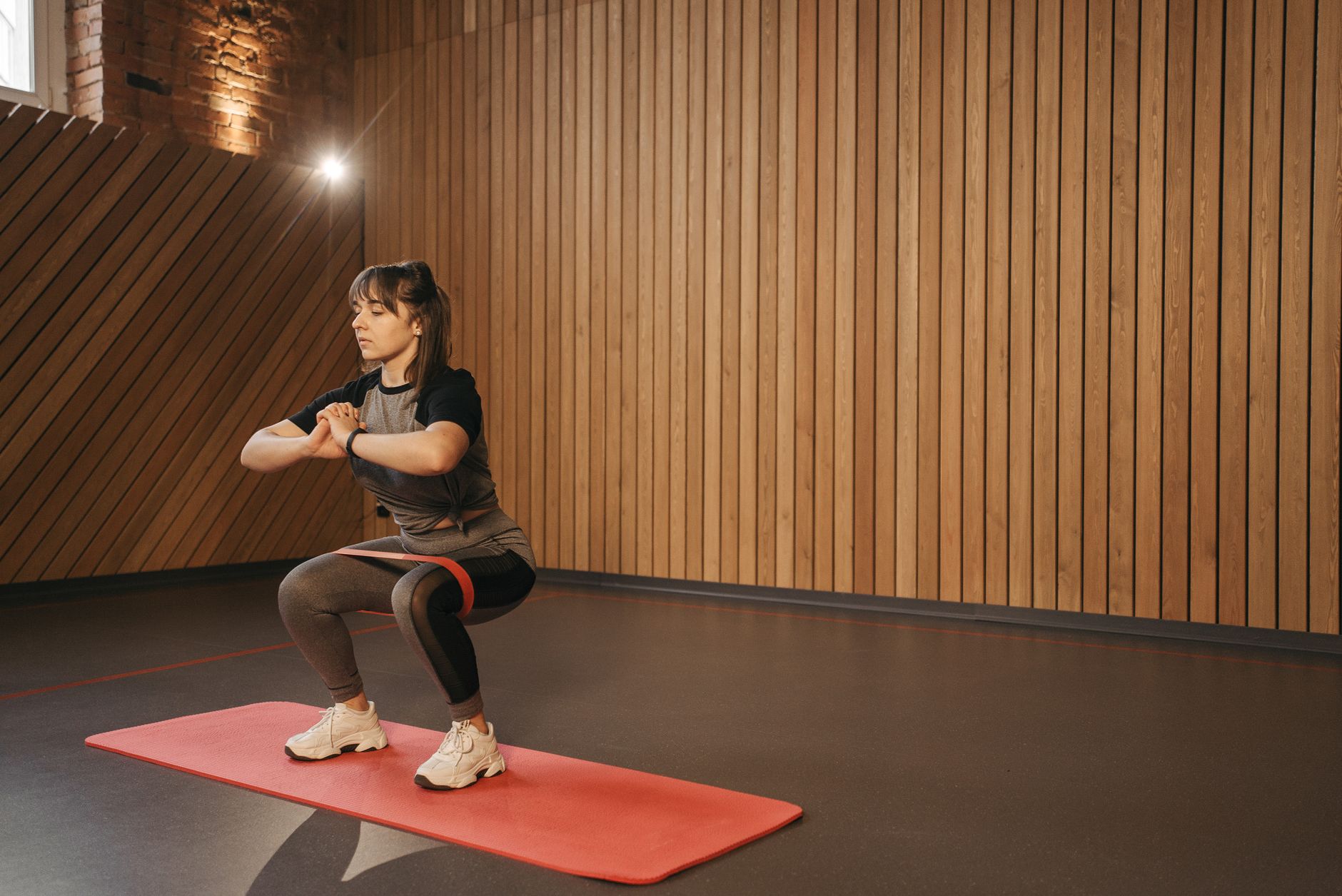
Choosing the right branded merchandise for a gym or fitness centre is a genuinely different challenge from selecting promo items for a corporate event or trade show. Your audience is health-conscious, active, and discerning — they’ll notice quality, and they’ll use what’s genuinely functional. That’s exactly why custom fitness bands for gym and fitness centres in Australia have surged in popularity as a promotional product category. Whether you’re a reseller sourcing stock for a fitness chain, a marketing agency building a wellness campaign, or a gym owner investing in branded member gifts, this guide will walk you through everything you need to know to make smart, informed purchasing decisions.
Why Fitness Bands Work as Branded Promotional Products
Before diving into the specifics of ordering and decoration, it’s worth understanding why fitness bands have become such a standout item in the health and wellness promotional space.
Branded fitness products offer something most promo items struggle to achieve: daily utility in a context the recipient genuinely values. A resistance band used during a morning workout carries your brand into an intimate, habitual moment. That repeated exposure — day after day, at the gym, in the park, or in a home training space — creates the kind of brand recall that a pen or keyring simply can’t replicate.
The growth of health and wellness promotional products in Australia has been substantial in recent years, and fitness bands sit squarely in that trend. They’re lightweight, easy to ship, cost-effective at volume, and genuinely aligned with the values of their recipients. For gyms, personal trainers, wellness brands, corporate wellness programs, and sports organisations, that alignment is invaluable.
There’s also a strong sustainability angle. Many fitness bands are made from natural latex or TPE (thermoplastic elastomer), both of which are more environmentally considered than single-use plastic alternatives. For businesses looking to integrate eco-conscious thinking into their branded merchandise strategy, this matters.
Types of Custom Fitness Bands Available in Australia
Understanding what’s actually available — and what suits your particular use case — is the first step to a successful order.
Resistance Bands
The most commonly ordered type for gyms and fitness centres, resistance bands come in a range of resistance levels, typically colour-coded from light to heavy. They’re used for strength training, physiotherapy, mobility work, and warm-ups. For gyms, these are particularly practical — clients can take a branded set home and use them daily between sessions.
Sets of three to five bands are a popular format for member welcome kits or new joiner gift packs. A Brisbane fitness studio could include a branded resistance band set in an onboarding bag alongside a protein bar and a branded water bottle for a complete, high-perceived-value gift.
Loop Bands (Mini Resistance Bands)
Shorter and circular, loop bands are especially popular for glute activation exercises and lower body training. They’re compact and easy to package, which makes them ideal for event giveaways or mail-out campaigns. A Sydney gym chain running a “January Challenge” campaign could distribute branded loop bands to every member who signs up for a specific program.
Pull-Up Assist Bands
These longer, thicker bands are primarily used for assisted pull-up exercises or heavy stretching. They’re typically ordered in smaller quantities due to their higher per-unit cost, but they communicate a serious, expert-level brand positioning — ideal for CrossFit boxes, functional fitness centres, or strength-focused training facilities.
Tube Resistance Bands with Handles
Often packaged as sets with foam handles and door anchors, tube bands appeal to a broader consumer audience and work well for corporate wellness initiatives. A Melbourne-based marketing agency running a workplace wellness campaign would find these highly giftable — they’re practical, impressive when packaged well, and immediately usable at home.
Wrist and Ankle Resistance Bands
Smaller, fabric-based bands worn directly on the body for targeted resistance training. These are popular in Pilates and yoga studios, as well as rehabilitation settings. They’re typically decorated differently from rubber bands — more on that below.
Decoration Methods: What Works on Fitness Bands
Branding fitness bands requires a different approach than decorating a t-shirt or a coffee mug. The material — usually latex, TPE, or fabric — and the functional nature of the product both influence what decoration methods are suitable.
Screen Printing
For rubber and TPE bands, screen printing is the most widely used decoration method. It applies ink directly to the surface of the band, making it suitable for logos, short brand names, slogans, or website URLs. The key consideration here is ink flexibility — the ink needs to stretch with the band without cracking or peeling. Specialist inks are used for this purpose, so always confirm with your supplier that their process is designed for elastic substrates.
Debossing
Some premium resistance bands feature a debossed (recessed) logo impression. This is typically applied during the manufacturing process rather than as a post-production decoration, so it’s generally available on larger custom production runs. The result is a tactile, subtle brand mark that reads as high quality.
Fabric Printing and Sublimation
For fabric-based loop bands and wrist/ankle bands, sublimation and direct-to-fabric printing produce vibrant, full-colour results. These methods are well-suited to bands where the fabric surface allows for more detailed artwork.
Hang Tags and Packaging
Don’t underestimate the branding opportunity in packaging. Many resellers and gym clients opt for simple print on the band itself combined with a more elaborate branded hang tag, header card, or custom pouch. This approach keeps unit decoration simple while still delivering a strong branded presentation.
If you’re sourcing fitness bands alongside other decorated merchandise, it’s worth understanding how different decoration methods compare across product categories — for example, how UV printing works on promotional drinkware offers useful context on technical decoration processes you may encounter when briefing suppliers.
Minimum Order Quantities and Pricing Expectations
Pricing for custom fitness bands in Australia varies based on band type, material, decoration complexity, and order volume. Here’s a general guide to help you budget effectively.
Resistance Bands (individual): MOQs typically start at 100–250 units for screen printed bands. Per-unit pricing drops significantly at 500+ units.
Resistance Band Sets (3–5 bands): Sets are usually available from 50–100 sets upward. Budget accordingly for packaging costs, as sets require a pouch or box to hold multiple bands.
Loop Bands: Similar MOQs to individual resistance bands. These tend to be slightly less expensive per unit due to shorter material length.
Tube Bands with Handles: Higher per-unit cost. MOQs may be lower (often 50+) but pricing reflects the complexity of the product.
Fabric Bands: MOQs depend on the decoration method. Sublimated fabric bands may have higher minimums due to setup requirements.
Always request a formal quote with a clear breakdown of unit cost, setup fees, freight, and GST. Setup fees for screen printing can range from $50 to $150 per colour, so factor this into your overall budget — particularly for smaller orders.
For context on how to approach health-focused merchandise budgeting, our guide on custom protein bars for corporate gifts in Australia covers similar considerations around MOQs and packaging in the wellness product space.
Who’s Ordering Custom Fitness Bands in Australia?
The buyer profile for fitness bands is broader than you might expect. Understanding the market helps resellers and agencies position these products effectively.
Gyms and Fitness Centres: The obvious buyer, using fitness bands as member onboarding gifts, loyalty rewards, or retail merchandise.
Corporate Wellness Programs: Organisations across Sydney, Melbourne, Brisbane, and Canberra are increasingly building out employee wellness initiatives — particularly since hybrid work arrangements have made home exercise more important. Branded fitness kits including resistance bands fit naturally into these programs.
Health Insurance and Healthcare Brands: Preventative health messaging is a priority for major health funds and GP-adjacent services. Branded fitness equipment aligns perfectly with this messaging.
Sporting Clubs and Associations: Everything from AFL clubs in Melbourne to surf clubs on the Gold Coast use branded merchandise as member gifts and fundraising products. Fitness bands are functional, on-brand, and appreciated.
Schools and Universities: Physical education departments, sports academies, and university health programs in cities like Adelaide, Perth, and Hobart are increasingly interested in practical wellness merchandise. Combined with plus-size inclusive custom apparel options, fitness bands can form part of a comprehensive branded kit.
Events and Expos: Health and wellness expos, fitness conventions, and marathon events are natural environments for fitness band giveaways. Their lightness makes them ideal for event settings where attendees don’t want heavy bags.
The growing demand across sectors mirrors broader consumer behaviour trends around branded merchandise — where utility, relevance, and quality drive real engagement.
Practical Tips for Ordering Custom Fitness Bands
Getting a custom fitness band order right involves more than selecting a product and submitting artwork. Here are some practical considerations to keep in mind:
Clarify the material and latex content upfront. Some recipients have latex allergies. If your client’s gym serves a medically diverse membership, latex-free TPE bands should be the default option.
Request physical samples before committing. Resistance levels vary significantly between manufacturers. What one supplier calls “medium” resistance may feel light or heavy compared to another’s specification. A sample order — even just two or three bands — is essential.
Provide vector artwork. For clean screen printing results, supply your logo in .AI or .EPS format at the correct dimensions. Most suppliers will also accept high-resolution PDF or SVG files.
Plan for adequate lead times. Standard production runs typically require 10–15 business days, with imported goods taking longer. For events or campaigns with firm deadlines — particularly those in regional areas like Darwin or Alice Springs, where freight adds time — order at least four to six weeks ahead. Check out our guide to promotional products for businesses in Alice Springs for more on logistics considerations in regional Australia.
Consider the full kit opportunity. Fitness bands pair naturally with other wellness merchandise: branded gym towels, glass branded water bottles, insulated lunch bags, or even custom lanyards for gym access passes. Offering a complete kit to your gym client significantly increases order value and brand cohesion.
Check supplier certifications. For products that contact skin, ask about REACH compliance (European chemical safety standards) or equivalent Australian safety standards. Reputable suppliers will have documentation available.
Building a Health and Wellness Merchandise Strategy Around Fitness Bands
For resellers and marketing agencies, fitness bands are rarely a standalone product — they’re most effective as part of a broader health and wellness merchandise strategy. Consider how fitness bands complement other promotional products in adjacent categories.
Pairing fitness bands with premium branded drinkware, laser-engraved wireless chargers for recovery tracking devices, or even branded merchandise for fitness-adjacent events creates a cohesive, high-value offering that elevates your pitch to clients.
It’s also worth noting that health and wellness merchandise performs particularly well in ACT government procurement contexts — if you’re building supplier relationships with government clients in Canberra and surrounds, review our overview of promotional products in the ACT for useful context on that market.
Conclusion: Key Takeaways for Sourcing Custom Fitness Bands in Australia
Custom fitness bands for gym and fitness centres in Australia represent a genuinely high-performing promotional product category — practical, aligned with recipient values, and increasingly in demand across both the private and corporate wellness sectors. Here’s what to take away:
- Match the band type to the audience: Resistance bands for general gyms, loop bands for Pilates and yoga studios, tube bands for corporate wellness kits — the right product depends on context.
- Prioritise decoration suitability: Always confirm that your supplier uses flexible, stretch-resistant inks for rubber and TPE bands, and request samples to check quality before committing to a full run.
- Plan around MOQs and lead times: Budget for setup fees, plan freight realistically — especially for regional clients — and build in sample review time before production.
- Think in kits, not individual products: Fitness bands are most powerful when combined with complementary wellness merchandise — drinkware, towels, apparel — for a complete branded experience.
- Tap into a growing market: Health and wellness merchandise is one of the fastest-growing segments in Australian promotional products — and fitness bands are one of its most accessible, practical, and well-received items.
With the right supplier relationships and product knowledge, fitness bands can become a flagship offering in your health and wellness merchandise portfolio.