
How to Order a Printed T-Shirt for Your Business or Brand in Australia
Everything Australian businesses and resellers need to know about ordering printed t-shirts — from decoration methods to MOQs and budgeting tips.

Written by
Cleo Wright
Custom Apparel
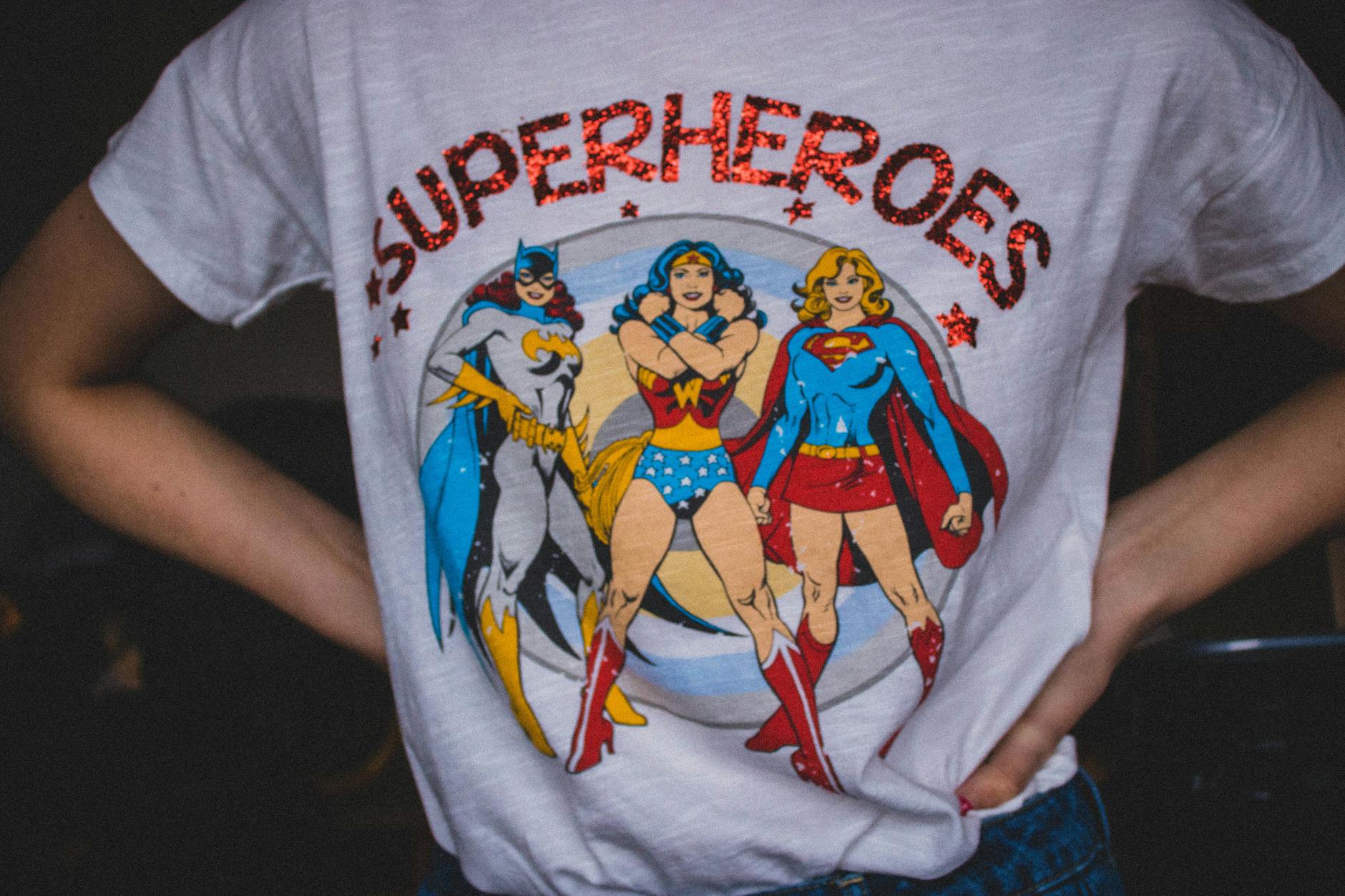
Few promotional products deliver as much impact per dollar as a well-designed printed t-shirt. Whether you’re a marketing agency sourcing branded merchandise for a client launch event in Sydney, a reseller building out your product catalogue, or a business owner in Brisbane looking to outfit your team for a trade show, printed t-shirts remain one of the most versatile and cost-effective branding tools available. But getting the most out of your order — in terms of quality, turnaround, and value — requires knowing how the process actually works. This guide breaks it all down so you can approach your next printed t-shirt project with confidence.
Why the Printed T-Shirt Remains a Promotional Staple
It’s no accident that printed t-shirts appear in every sector of the Australian market, from Perth mining companies kitting out their crews to Melbourne tech startups handing out merch at product launches. T-shirts are worn, kept, and seen — often for years. Unlike a branded pen that gets lost in a drawer, a quality t-shirt becomes part of someone’s regular wardrobe rotation, delivering repeated brand impressions without any additional cost.
For resellers, this makes them a reliable revenue line. For marketing agencies, they’re a tangible deliverable that clients can see, touch, and distribute. For businesses, they serve double duty as team uniforms and promotional giveaways.
The key to success, however, lies in understanding the variables at play: fabric, fit, decoration method, quantity, and artwork quality. Making informed decisions across all of these will determine whether your printed t-shirt order lands as a premium brand asset or ends up stuffed in a donation bin.
Choosing the Right Fabric and Style for Your Printed T-Shirt
Before you even think about your logo or artwork, you need to choose the right blank garment. The t-shirt itself is the foundation of the finished product, and not all blanks are created equal.
Fabric Weight and Composition
T-shirts are typically measured in grams per square metre (GSM). A lightweight shirt (around 140–160 GSM) feels soft and breathable — ideal for events, giveaways, or summer activations on the Gold Coast. A mid-weight shirt (180–200 GSM) is more durable and holds its shape better after repeated washing, making it better suited to staff uniforms or premium merchandise.
Cotton is the most popular choice for print quality and comfort. 100% cotton takes screen printing and heat transfer extremely well, producing vibrant, long-lasting results. Cotton/polyester blends are a cost-effective alternative and can work well for sublimation printing, though the colour payoff is typically best on 100% polyester for full-coverage artwork.
Fit and Sizing
For corporate and trade show use, a standard unisex fit in a range of sizes is usually the safest option. If you’re ordering for a specific audience — such as a fitness brand or a fashion-forward startup — you might consider slim-fit cuts or gender-specific sizing. Always check that your supplier can provide a full size run (XS through to 3XL or beyond) if your order requires it.
Decoration Methods: What Works Best for Printed T-Shirts
The decoration method you choose will dramatically affect the look, durability, and cost of your printed t-shirt. Here’s a breakdown of the main options available in Australia.
Screen Printing
Screen printing is the most widely used method for custom t-shirts and for good reason. It produces sharp, vibrant results with excellent durability, and the per-unit cost decreases significantly with volume. It’s ideal for orders of 50 or more pieces where the artwork uses a limited number of solid colours (typically 1–4 colours).
Setup fees apply per colour, so single-colour or two-colour designs are the most economical. If your logo is a simple wordmark or icon, screen printing is almost always the right choice. For a detailed comparison of decoration techniques, check out our overview of Brand It Promotions decorating options to understand what’s available across different product types.
Direct-to-Garment (DTG) Printing
DTG printing works much like a standard inkjet printer but on fabric. It’s best suited to small runs (under 24 pieces) or orders with complex, photographic, or full-colour artwork that would be too costly to reproduce via screen printing. The per-unit cost is higher, but there are minimal setup fees, making it a practical choice for sample orders or limited-edition merchandise.
Heat Transfer and Sublimation
Heat transfer is a versatile option that works across a range of garment types. Vinyl heat transfer is popular for small quantities and name personalisation, while sublimation allows for full-coverage, all-over prints on polyester garments — think colourful event shirts or sportswear with edge-to-edge artwork. Sublimation doesn’t work on cotton, so garment selection matters significantly here.
Embroidery
While not strictly “printing,” embroidery is worth mentioning as a premium alternative for polo shirts and team apparel. It adds a professional, tactile quality to corporate workwear. If your client is a financial services firm in Melbourne or a real estate brand in Adelaide, embroidered logos often communicate quality more effectively than printed ones.
Understanding MOQs, Pricing, and Turnaround Times
Minimum Order Quantities
Most Australian suppliers set a minimum order quantity (MOQ) of 10–25 pieces for screen-printed t-shirts, though some DTG printers will accept single-unit orders. For the best pricing, orders of 50, 100, or 250 units typically unlock significant per-unit discounts. Resellers and agencies ordering on behalf of clients should factor this into their planning and client communications from the outset.
Pricing Expectations
Rough pricing benchmarks for a basic 180 GSM printed t-shirt in Australia (as of 2026):
- Single colour, 50 units: $15–$22 per shirt including setup
- Two-colour, 100 units: $12–$18 per shirt including setup
- Full colour DTG, 12 units: $25–$40 per shirt
Premium blanks, additional print locations (front and back, sleeves), and rush turnarounds all add cost. Always request an itemised quote so you can see exactly where your budget is going.
Turnaround Times
Standard turnaround for screen-printed t-shirts is typically 10–15 business days from artwork approval. Rush services (3–7 business days) are available from many Australian suppliers but often carry a 20–40% surcharge. If you’re ordering for a specific event — a conference in Canberra, a trade show in Brisbane, or a product launch in Sydney — build in at least three to four weeks from first contact with your supplier.
Artwork and Branding Considerations
Getting your artwork right before you submit an order will save time, money, and frustration. Most Australian printers require vector files (AI, EPS, or high-resolution PDF) for screen printing. Rasterised images (JPEGs, PNGs) are generally not suitable unless they’re high resolution and you’re using DTG.
Colours should be specified in PMS (Pantone Matching System) values to ensure accurate reproduction, especially for brand-sensitive clients. If PMS matching isn’t available or is outside budget, discuss CMYK or RGB approximations with your printer and request a physical sample before committing to a full run.
Print placement is another important variable. Left chest, centre chest, full back, and sleeve prints all carry different costs and visual impact. A left chest placement is standard for corporate use, while a full back print works well for event shirts and giveaways. Think carefully about how the garment will be worn and what placement will give your brand the most visibility.
If you’re exploring other types of branded products alongside your t-shirt order, our guide to personalised phone covers is a useful resource for marketing agencies building out a full merchandise suite for clients.
Practical Tips for Resellers and Marketing Agencies
If you’re ordering printed t-shirts on behalf of clients, a few additional considerations will help you manage the project smoothly.
Always order a pre-production sample. Even if it adds a few days to your timeline, having a physical sample approved by your client before the full run begins protects you from costly disputes. Many suppliers offer a single-unit sample for a fee.
Build your margin before submitting a quote. Understand the supplier’s price, add your margin, and present a clean quote to the client. Make sure your quote is clear about what’s included — blank cost, print setup, delivery — and what could change pricing (additional sizes, rush fees, artwork revisions).
Manage artwork expectations early. Clients often underestimate how much artwork preparation their logo requires. If you receive a low-resolution logo that needs to be redrawn as a vector, factor in the artwork fee upfront. Many suppliers offer this service for a small fee, or you can manage it in-house.
Consider sustainability. Demand for eco-friendly merchandise is growing across every sector in Australia, from councils in Darwin to universities in Hobart. Asking your supplier about organic cotton blanks, water-based inks, or recycled packaging options is increasingly expected by corporate and government clients. You might also find our guide to Christmas gift ideas for the office useful when thinking about seasonal merchandise packages that pair well with branded apparel.
Conclusion: Key Takeaways for Ordering Printed T-Shirts in Australia
A well-executed printed t-shirt order is one of the highest-value investments in the promotional products space. By approaching the process strategically — from fabric selection to artwork preparation and supplier communication — you can deliver outstanding results for your clients, build a reliable product line as a reseller, or simply outfit your team with something they’ll actually wear.
Here are the key takeaways to keep in mind:
- Choose your decoration method based on quantity and artwork complexity — screen printing for larger runs with simple artwork, DTG for small quantities or photographic designs, sublimation for full-coverage polyester prints.
- Fabric and fit matter as much as the print — a quality blank garment is the foundation of a professional finished product.
- Plan your timeline carefully — standard turnaround is 10–15 business days, and event deadlines require buffer time built in from the first conversation.
- Get your artwork print-ready before submitting — vector files and PMS colour codes will save time and ensure accurate results.
- For resellers and agencies, managing client expectations early — around sampling, artwork fees, and pricing — will protect your project and your margin.
Printed t-shirts aren’t going anywhere. Used thoughtfully, they remain one of the most effective tools in any brand’s promotional arsenal.