
Reusable Shopper Bags as Promotional Products: The Complete Australian Buyer's Guide
Discover how reusable shopper bags make powerful branded merchandise for Australian businesses, resellers, and marketing agencies in 2026.

Written by
Lucy Hassan
Bags & Totes
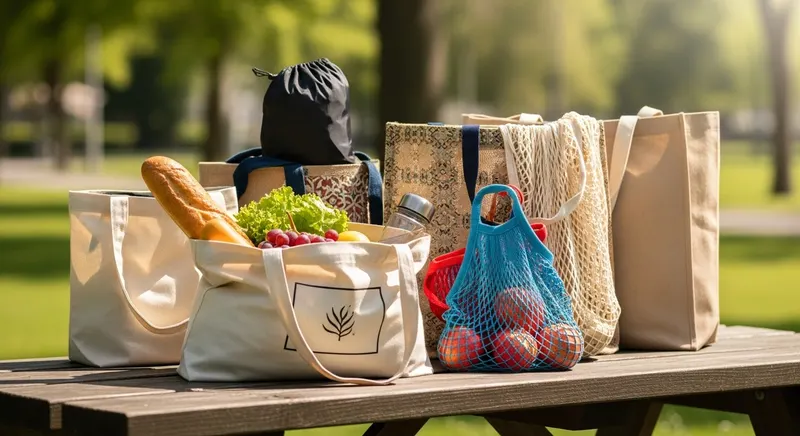
Reusable shopper bags have quietly become one of the most effective — and most visible — promotional products available to Australian businesses today. Every time a customer, client, or event attendee carries a branded shopper bag through a shopping centre, farmers market, or office building, your logo goes with them. Unlike a branded pen sitting in a drawer or a USB tucked in a laptop bag, reusable shopper bags are genuinely used in everyday life. For marketing agencies managing client campaigns, resellers sourcing bulk merchandise, and businesses looking to stretch their promotional budgets further in 2026, understanding how to choose, customise, and order reusable shopper bags effectively is essential knowledge.
Why Reusable Shopper Bags Work So Well as Branded Merchandise
There’s a reason reusable shopper bags remain a staple in almost every promotional product supplier’s catalogue. They deliver exceptional cost-per-impression (CPI), meaning your brand gets seen by more people, more often, for less money than almost any other promotional item.
Think about the lifecycle of a well-made branded shopper bag. A Melbourne café orders 500 reusable shoppers as part of a loyalty campaign. A customer receives one, starts using it for their weekly groceries, takes it to Chadstone, carries it to the weekend market in Fitzroy, and brings it to work. That single bag might be seen by dozens of people every week for years. Multiply that by 500 bags and you’re looking at genuinely impressive brand reach.
Beyond visibility, reusable shopper bags also carry an important sustainability message. With single-use plastic bag bans now firmly in place across all Australian states and territories, reusable bags have shifted from a novelty to a necessity. Organisations that distribute high-quality reusable shoppers are actively helping their audiences reduce waste — and customers notice that kind of alignment between brand values and practical action.
For resellers and marketing agencies, this dual advantage — everyday utility plus eco credentials — makes reusable shopper bags an exceptionally easy sell to clients across nearly every sector.
Choosing the Right Material for Your Reusable Shopper Bags
Not all reusable shopper bags are created equal, and material selection is arguably the most important decision in the entire ordering process. Different materials suit different audiences, budgets, and decoration methods, so it’s worth understanding the options before requesting quotes.
Non-Woven Polypropylene (PP)
This is the most common and most affordable option in the Australian market. Non-woven PP bags are lightweight, surprisingly durable, and available in a huge range of colours. They’re ideal for high-volume giveaways — a Brisbane trade expo handing out 2,000 branded bags, for example — where budget is the primary consideration. The standard decoration method is screen printing, and setup fees are generally low. MOQs typically start around 100 to 250 units, making them accessible for smaller organisations too.
Natural Cotton and Canvas
Cotton and canvas shopper bags project a premium, natural feel that resonates particularly well with eco-conscious audiences. They’re heavier than PP bags, have excellent print surfaces, and can be decorated using screen printing, heat transfer, or even embroidery for a high-end finish. A Sydney boutique retail brand or a Canberra government department wanting to make a strong sustainability statement will often favour cotton or canvas over polypropylene. MOQs are usually 50 to 150 units, and unit costs are higher — but the perceived value is significantly greater.
Recycled PET (rPET)
Made from post-consumer plastic bottles, rPET bags are a genuinely compelling choice for brands prioritising sustainability. They’re durable, water-resistant, and increasingly popular across corporate and government sectors. If your clients are interested in sustainable promotional items, rPET bags fit neatly into an eco-friendly merchandise strategy alongside items like bamboo toothbrushes and sustainable branded umbrellas.
Jute and Hessian
Jute bags offer a distinctive, rustic aesthetic that works well for food brands, farmers markets, health and wellness businesses, and premium corporate gifting. They’re biodegradable, have a tactile quality that feels genuinely premium, and accept screen printing and heat transfer well. The natural variation in jute fibre means colour reproduction can be slightly less precise than cotton — something to flag with clients who are particular about Pantone matching.
Laminated PP and Non-Woven Combinations
Laminated bags add a glossy or matte surface finish to standard non-woven PP, significantly improving the visual quality of printed artwork. These are popular for retail and real estate clients who want a polished, professional look without moving to cotton or canvas pricing.
Decoration Methods for Reusable Shopper Bags
Getting your branding right is just as important as choosing the right material. The decoration method you choose affects print quality, cost, MOQ, and overall finish — all factors your clients will care about.
Screen printing remains the most popular and cost-effective method for reusable shopper bags, particularly on flat, smooth surfaces like non-woven PP and cotton canvas. It delivers vibrant, consistent colour across large runs and is the go-to for logos with solid colour fills. Setup fees typically apply per colour, so simpler designs reduce costs.
Heat transfer and sublimation allow for photographic-quality, full-colour prints including gradients and detailed imagery. Sublimation works best on polyester-based materials, while heat transfer is more versatile across fabric types. If you’re interested in the broader print world, our guide on sublimation shirts explains the sublimation process in detail — many of those principles apply to bag decoration too.
Embroidery is available for cotton and canvas bags and delivers a premium, tactile finish that feels genuinely high-end. It works particularly well for small logos, corporate crests, and professional services branding. Bear in mind that embroidery isn’t ideal for very fine text or complex designs with lots of colour.
Digital printing (sometimes called DTG or direct-to-garment for fabric items) allows for short-run, full-colour prints without screen setup fees, making it a good option for proof runs, low-quantity orders, or designs that require photographic detail.
Practical Ordering Tips for Resellers and Marketing Agencies
For resellers and agencies managing promotional merchandise projects, a few practical considerations can make the difference between a smooth campaign and a stressful one.
Lock in your brief early. Reusable shopper bags often form part of a larger merchandise suite — think event packs that might also include wristbands, personalised towels, or a work cool bag. Knowing your full product list upfront helps suppliers schedule production efficiently and may unlock volume discounts across the entire order.
Factor in artwork preparation time. Screen printing requires camera-ready vector artwork (typically AI or EPS files). If your client only has a low-res JPEG of their logo, you’ll need to budget time for artwork recreation before the job can go to press. Always confirm artwork specs with your supplier before briefing clients on turnaround times.
Order samples before committing to large runs. A physical sample — even an unbranded one — lets you assess quality, size, handle placement, and material feel before signing off on 1,000 units. Most suppliers can provide unbranded or pre-production samples for a small fee. This step is especially important if the bags are being given to high-value clients or used at premium events.
Understand MOQ tiers and price breaks. Shopper bag pricing is heavily tiered. The jump from 250 to 500 units can often reduce unit cost by 20–30%, which is worth communicating to clients with flexible budgets. Always present two or three quantity options in your quote to give clients informed choices.
Plan for lead times. Standard turnaround for bulk reusable shopper bags in Australia is typically 10–15 business days from artwork approval. For complex decoration, imported stock, or very large runs, allow three to four weeks. Rush options exist but usually attract a premium. If your client has an event in Darwin or Perth and stock needs to be freighted interstate, factor in logistics time on top of production.
Reusable Shopper Bags Across Different Industry Sectors
One of the great strengths of reusable shopper bags as a promotional product is their cross-sector appeal. Almost every organisation can find a relevant use case.
Retail and FMCG brands use them as bag-with-purchase incentives, loyalty rewards, and seasonal gifts. A Gold Coast health food brand might pair a branded canvas shopper with a gym towel for a summer wellness promotion.
Corporate businesses distribute shopper bags at conferences, in client gift packs, or as employee welcome kits. Combine them with a wine bag cooler for a premium client gifting solution that actually gets used.
Schools and universities love them for orientation packs, fundraising, and sporting days. A Perth primary school might fill branded shopper bags with stationery, a sunshine hat, and a trucker cap for their annual sports carnival package.
Charities and not-for-profits often use reusable shopper bags for fundraising merchandise or as part of supporter welcome kits — pairing well with event wristbands or promotional wristbands for awareness campaigns.
Events and exhibitions represent one of the highest-volume use cases for reusable shopper bags in Australia. A Sydney trade expo or an Adelaide industry conference will often use branded shopper bags as the physical carrier for all other event collateral — schedules, samples, merchandise — which keeps the bag in attendees’ hands all day and beyond.
Key Takeaways
Before you start briefing suppliers or presenting options to clients, keep these points in mind:
- Material matters most. Match your bag material to your audience, budget, and sustainability goals — non-woven PP for high-volume budget runs, cotton or rPET for premium or eco-focused campaigns.
- Decoration method affects both quality and cost. Screen printing suits most flat-surface bags and large runs; embroidery adds premium value to cotton and canvas styles.
- Order samples before large commitments. A physical sample saves costly mistakes and gives clients confidence in the product before production begins.
- Build in enough lead time. Allow at least two to three weeks from artwork approval for standard orders, more for imported stock or complex decoration.
- Reusable shopper bags integrate brilliantly with broader merchandise suites. They work as carry-all containers for event packs, gift sets, and orientation kits — maximising the value of your entire merchandise order.
Reusable shopper bags sit at a genuinely useful intersection of practicality, sustainability, and brand visibility. For resellers, marketing agencies, and businesses across Australia, understanding how to source, customise, and position them effectively means delivering better results for clients — and building a stronger, more trusted reputation in the branded merchandise space. Whether you’re sourcing 200 cotton totes for a Melbourne boutique launch or 5,000 PP shoppers for a national retail chain rollout in 2026, the fundamentals covered in this guide will help you make smarter, more confident decisions every time.