
How to Use a Clothing Design Website to Create Custom Branded Apparel in Australia
Discover how to use a clothing design website to create professional branded apparel for your business, event, or reseller clients in Australia.

Written by
Cleo Wright
Custom Apparel
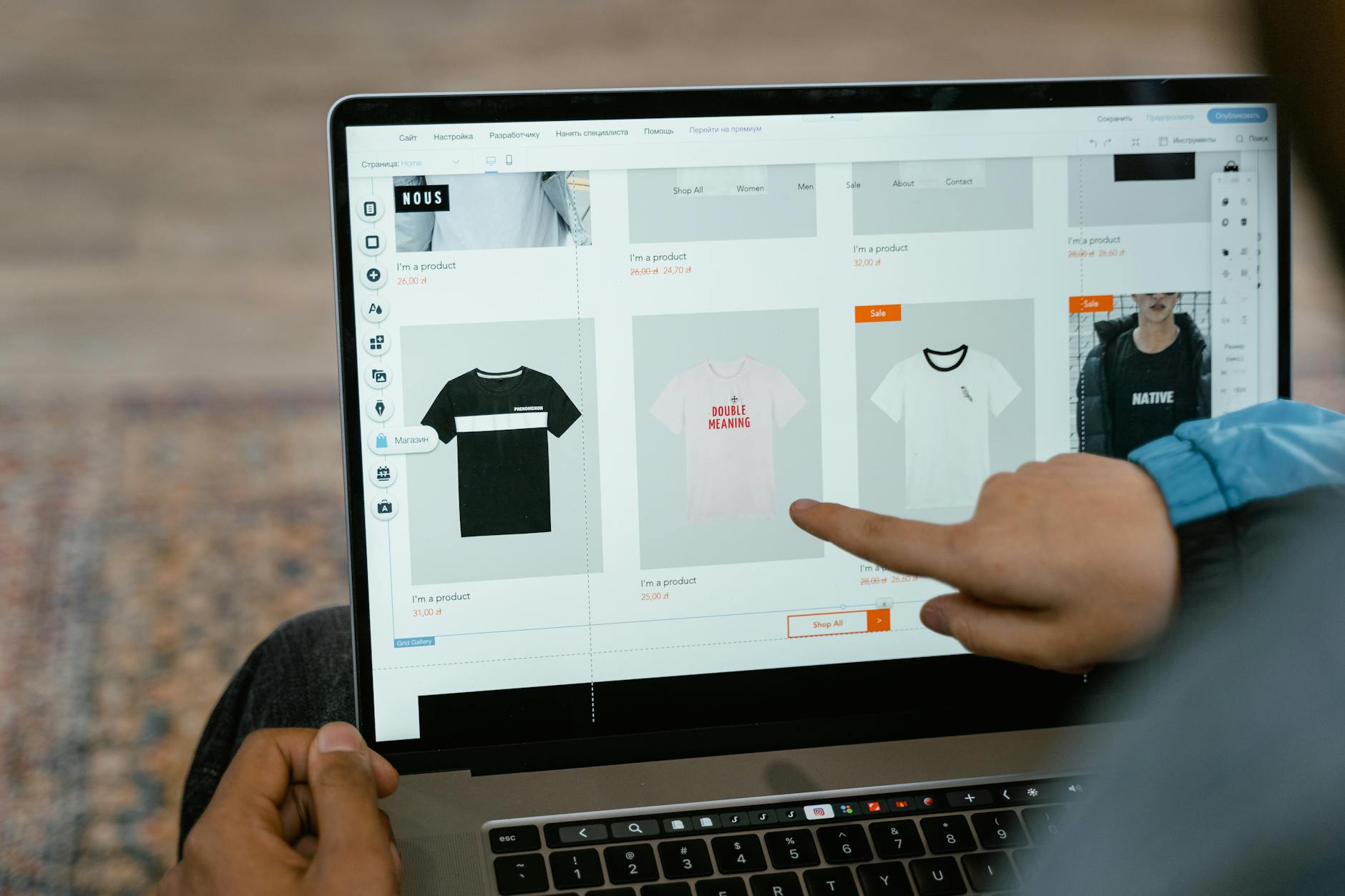
Choosing the right clothing design website can feel overwhelming — especially when you’re responsible for delivering polished, on-brand merchandise for a client, an upcoming event, or your own business. With so many tools, platforms, and Australian suppliers to navigate, it’s easy to waste hours going in circles. Whether you’re a marketing agency sourcing custom apparel for a corporate client in Sydney, a reseller building out your product offering, or a Brisbane-based business ordering staff uniforms for the first time, understanding how these platforms work — and what to look for — will save you time, money, and a lot of frustration.
What Is a Clothing Design Website and How Does It Work?
A clothing design website is an online platform that allows you to customise garments by uploading artwork, choosing decoration methods, selecting colours, and placing orders — often all in one place. Some platforms are primarily design tools that help you visualise your concept before sending it to a decorator. Others are full end-to-end ordering systems connected directly to local Australian suppliers.
Most clothing design websites share a common workflow:
- Select your garment — choose from t-shirts, polos, hoodies, caps, or workwear
- Upload or create your artwork — upload a logo file, use an in-built design tool, or request professional artwork services
- Choose your decoration method — screen printing, embroidery, sublimation, heat transfer, or digital printing
- Set your quantities — most platforms show live pricing at different order volumes
- Approve a digital proof — review a mockup of your design before production begins
- Place your order and wait for delivery — turnaround times vary from 5 to 15 business days depending on the supplier and method
It’s worth noting that not all clothing design websites are created equal. Some are geared towards individuals ordering one or two pieces, while others are purpose-built for bulk commercial orders — which is what most businesses and resellers need.
Key Features to Look For on Any Clothing Design Website
Not every platform offers the same capabilities. When you’re evaluating a clothing design website for a commercial project, here’s what actually matters.
Decoration Method Options
The decoration method you choose will affect cost, durability, and the final look of your branded apparel. Screen printing is ideal for bold, high-volume orders — a Melbourne retail brand ordering 200 staff t-shirts would typically go this route. Embroidery is the preferred choice for a more premium feel, particularly on polos and caps. For all-over prints and complex photographic designs, sublimation shirts offer excellent results, especially on polyester-based fabrics.
If you’re ordering branded caps, a good clothing design website should support both embroidery and heat transfer options. For trucker caps specifically, embroidery on the front panel is the industry standard and gives a professional, long-lasting finish.
Artwork and File Requirements
Most professional platforms require vector artwork (AI, EPS, or high-resolution PDF files) to ensure clean, scalable prints. Some platforms have built-in design editors that allow you to create basic text and logo designs from scratch, which can be useful for smaller clients or resellers who receive artwork in non-ideal formats.
If your client sends you a low-resolution PNG, look for platforms that offer an artwork redraw or digitisation service — many Australian suppliers include this for a small additional fee, or waive it on larger orders.
PMS Colour Matching
For brand-conscious clients, PMS (Pantone Matching System) colour accuracy is non-negotiable. A quality clothing design website will allow you to specify PMS codes during the order process, ensuring the final product matches your client’s brand guidelines precisely. This is especially important for screen printing and pad printing applications.
Live Pricing and Bulk Tiers
One of the most useful features of a good clothing design website is transparent, real-time pricing at different quantity tiers. Most Australian suppliers offer significant discounts at 50, 100, 250, and 500+ unit thresholds. For resellers building quotes for clients, being able to model pricing scenarios quickly — without calling a sales rep — is a genuine time-saver.
Garment Categories You Can Typically Customise Online
A well-stocked clothing design platform will cover a broad range of apparel categories. Here’s a quick overview of what’s commonly available and relevant to Australian buyers.
T-Shirts and Casual Tops
Tees shirts are the bread and butter of the promotional apparel world. They’re cost-effective, universally wearable, and available in a huge range of weights, fits, and fabrics. For events and conferences, a standard 180gsm cotton tee is a popular choice. If sustainability matters to your client — and increasingly it does — look for organic cotton or recycled fabric options, which tie in nicely with broader sustainable promotional items strategies.
Headwear
Custom caps and hats are consistently high performers in terms of brand visibility. Beyond the classic structured cap, options like straw hats and sunshine hats are increasingly popular for outdoor events, agricultural shows, and summer activations across Queensland, Western Australia, and the Northern Territory.
Accessories and Add-Ons
A clothing design website often extends beyond garments. Look for platforms that also let you customise complementary items like wristbands for events, which pair well with custom apparel orders for festivals, sporting clubs, and charity fundraisers. Similarly, branded stubby holders are a staple of Australian outdoor events and can often be ordered through the same supplier as your apparel.
Activewear and Fitness Gear
The fitness and wellness market in Australia continues to grow. Custom activewear — including sublimation jerseys, gym singlets, and workout gear — is in high demand from sporting clubs, personal trainers, and gym brands alike. If you’re sourcing branded merchandise for a health-focused client, a towel for gym use or personalised towels can complement a custom apparel order nicely.
Practical Tips for Resellers and Marketing Agencies
If you’re a reseller or agency using a clothing design website to source product for multiple clients, a few additional considerations come into play.
Always Order a Sample First
Before committing to a large run, request a pre-production sample or a hard proof. This is especially important for embroidery and sublimation orders, where colour variation between screen and physical output can be significant. Most Australian suppliers offer sample production for a fee that is often credited against your bulk order.
Build in Lead Time
Realistic turnaround expectations are critical to managing client relationships. Standard decoration turnarounds in Australia range from 7 to 14 business days after artwork approval, not from when the order is placed. Factor in shipping time too — if your client is in Darwin or Hobart, add an extra business day or two compared to a metro Melbourne or Sydney delivery.
Bundle Orders for Better Pricing
Encourage clients to combine related items in a single order. A Perth real estate agency, for example, might order branded polo shirts and wine bag coolers together for a client event — bundling these through the same supplier often unlocks better pricing and simplifies logistics.
Understand Setup Fees
Most decoration methods involve a one-off setup fee per design — typically $30 to $80 for screen printing screens or embroidery digitisation. A good clothing design website will clearly display these fees upfront. If a client reorders the same design within 12 months, many suppliers will waive the setup fee on repeat orders.
For technology add-ons that complement apparel giveaways, it’s also worth knowing your supplier’s range — items like a USB extension cable or novelty USB drives are popular conference and event extras that many apparel-focused suppliers also stock.
Beyond Apparel: Expanding Your Branded Merchandise Range
While a clothing design website is primarily focused on garments, the best Australian promotional product suppliers offer far more than just apparel. Expanding your client’s merchandise range to include items like branded cool bags for work, event wristbands, traveller’s first aid kits, or sustainable branded umbrellas can significantly increase the value of each client engagement.
For Valentine’s Day campaigns or seasonal activations, Valentine’s Day promotional gifts are another category where branded apparel — think matching tote bags or branded accessories — can be bundled with other merchandise for a cohesive gifting experience.
If your clients are interested in cutting-edge decoration technology, it’s worth understanding how processes like sublimation services in Melbourne or UV printing for drinkware work, as these methods are increasingly being used to complement traditional garment decoration.
Conclusion: Choosing the Right Clothing Design Website for Your Needs
Finding the right clothing design website isn’t just about picking the most visually appealing interface — it’s about selecting a platform that aligns with your decoration method needs, budget, timeline, and the types of clients or projects you’re working with. Whether you’re a marketing agency in Melbourne building a branded campaign for a corporate client, or a reseller in Brisbane fielding orders from multiple small businesses, the right platform should make your job easier, not harder.
Here are the key takeaways to keep in mind:
- Prioritise decoration method flexibility — look for platforms that support screen printing, embroidery, sublimation, and digital printing, not just one or two options
- Check artwork requirements upfront — vector files are standard; confirm whether the platform offers artwork redraw services for clients with limited design resources
- Understand the full cost structure — setup fees, sample costs, and bulk pricing tiers should all be clearly displayed before you commit
- Always factor in realistic lead times — production plus shipping to regional Australian locations can easily add up to two to three weeks
- Think beyond the garment — the best suppliers allow you to bundle apparel with accessories and promotional products, making it easier to deliver complete, cohesive branded merchandise solutions for your clients