
Dye Sublimation Clothing: The Complete Guide for Australian Businesses and Resellers
Discover how dye sublimation clothing works, when to use it, and how to source the best results for your Australian clients in 2026.

Written by
Cleo Wright
Custom Apparel
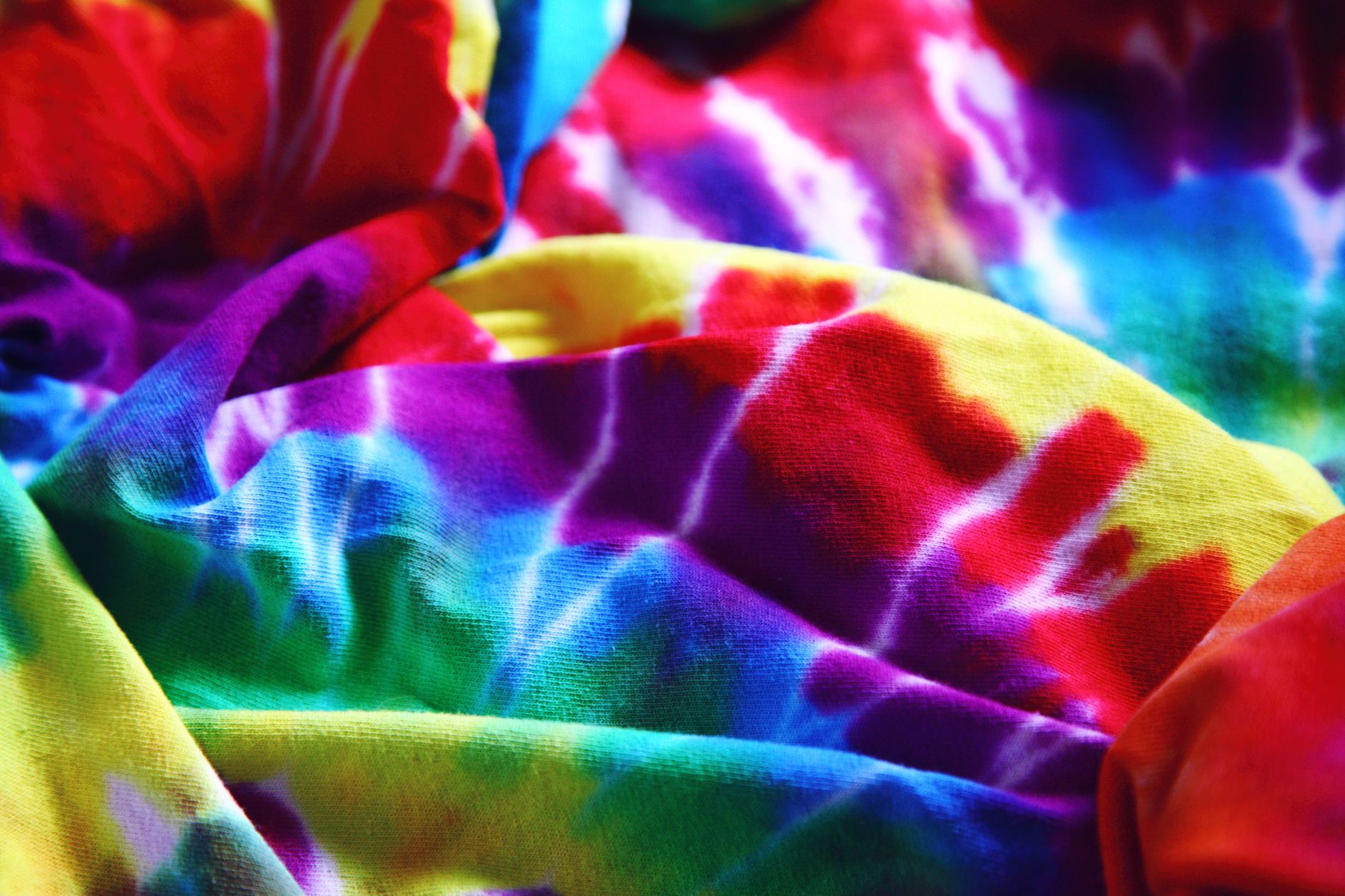
Dye sublimation clothing has quietly become one of the most sought-after decoration methods in the Australian promotional products industry — and for good reason. Whether you’re a reseller working with sporting clubs across Queensland, a marketing agency sourcing vibrant event uniforms for a Sydney conference, or a business looking to produce fully customised workwear, sublimation offers capabilities that other decoration methods simply can’t match. Full-colour photographic prints, all-over coverage, no cracking or peeling, and a result that feels like part of the fabric itself. If you’re exploring this printing technique for the first time — or trying to decide whether it’s the right fit for your next project — this guide covers everything you need to know.
What Is Dye Sublimation Clothing and How Does It Work?
Dye sublimation is a heat-based printing process that transforms solid dye into a gas, which then bonds permanently with polyester fibres in fabric. Unlike traditional printing methods that sit on top of the material, sublimation dye actually becomes part of the garment at a molecular level. The result is a print that won’t fade, crack, peel, or wash out over time — it’s as durable as the fabric itself.
The process works as follows: a design is first printed in reverse onto a special transfer paper using sublimation inks. That paper is then pressed against the garment under high heat (typically around 190–210°C) for a specific dwell time. The heat causes the dye to sublimate — converting directly from solid to gas — and the gas penetrates the polyester fibres. Once cooled, the dye reverts to a solid state, now permanently embedded in the fabric.
Why Polyester Is Essential for Sublimation
This is one of the most important things to understand about dye sublimation clothing: it only works effectively on polyester or polyester-blend fabrics. The sublimation dye has no material to bond with on natural fibres like cotton, which means 100% cotton garments are not suitable for this process.
For this reason, sublimated garments are most commonly produced on:
- 100% polyester fabrics — ideal for sports jerseys, activewear, and performance tees
- Polyester-cotton blends — acceptable for some applications, though colour vibrancy is reduced proportionally to the cotton content
- Coated hard substrates — though this guide focuses specifically on clothing
This is an important consideration when advising clients. A Melbourne basketball club wanting vivid, all-over printed jerseys is a perfect fit for sublimation. A Brisbane café wanting soft, fashion-forward cotton tees may be better served by screen printing or exploring the range of custom tee shirts available through other decoration methods.
Key Advantages of Dye Sublimation for Promotional Clothing
If you’re pitching sublimation to a client or evaluating it for your own business, understanding the genuine advantages helps set expectations and close the right projects.
Unlimited Colour With No Additional Cost
Traditional screen printing charges per colour — a five-colour design costs significantly more than a two-colour design. With sublimation, the entire full-colour spectrum is available at a flat cost. Photographic gradients, complex illustrations, team logos with subtle shading — none of these add to the base print price. This makes sublimation particularly attractive for clients with detailed artwork or multi-colour branding.
All-Over Printing Capability
Sublimation is one of the few methods that allows true all-over printing — coverage from seam to seam, across the front, back, sleeves, and collar. For sporting clubs, event teams, and performance apparel brands, this creates a premium, professional look that garment printing on finished items simply cannot achieve.
Sublimated garments are typically produced using a cut-and-sew process: the fabric is sublimated as flat panels before being cut and sewn into the finished garment. This means the print runs right to the edges with no white border or unprinted seam area.
Breathable, Lightweight Results
Because the dye is embedded in the fibre rather than sitting on top, there’s no added thickness or weight to the garment. This matters enormously for performance and activewear. A Perth cycling club, for example, would find sublimated jerseys far more comfortable than heat-transferred or screen-printed alternatives — the fabric retains its full breathability and moisture-wicking properties.
Durability That Outlasts the Garment
Sublimation prints don’t fade with washing. They don’t crack under sunlight. They won’t peel after being stored in a gym bag. For custom gym towels and activewear used in high-wear environments, this durability is a major selling point for clients who want branded merchandise that lasts.
When Dye Sublimation Clothing Is the Right Choice
Sublimation isn’t always the best fit — knowing when to recommend it (and when not to) is what separates experienced resellers from those who end up with unhappy clients.
Ideal Applications
Sporting and activewear: Rugby, netball, AFL, soccer, basketball, and cycling clubs across Australia regularly use sublimation for jerseys, training tops, and shorts. It’s the industry standard for performance sportswear because of its durability and freedom of design.
Corporate event uniforms: A Gold Coast conference or trade show often requires matching shirts for hundreds of staff across multiple roles. Sublimation allows you to produce colour-coded designs with photographic quality branding at reasonable bulk pricing.
Customised caps and accessories: Beyond garments, sublimation works beautifully on polyester caps and headwear. If your clients are exploring customised headwear options, it’s worth reading our overview of trucker caps and sunshine hats to understand which styles are sublimation-compatible.
Event merchandise and wristbands: Organisations running large-scale events in Adelaide or Hobart sometimes supplement their sublimated apparel with other branded items. If you’re managing a multi-product event brief, consider pairing clothing with event wristbands for a cohesive branded experience.
When to Consider Alternatives
Sublimation is not ideal for:
- Dark-coloured fabric bases — Sublimation prints are translucent, so they require white or very light base fabrics. Printing on dark garments isn’t possible without specialist techniques.
- Cotton garments — As noted, the dye won’t bond with natural fibres effectively.
- Very small orders — Setup costs and the cut-and-sew manufacturing process mean sublimation becomes more cost-effective at higher quantities. For small runs of five to ten pieces, other methods may be more economical.
Sourcing Dye Sublimation Clothing in Australia: What Resellers Should Know
For resellers and marketing agencies, navigating the sublimation supply chain in Australia involves a few important considerations.
Minimum Order Quantities
MOQs for sublimated apparel vary considerably by supplier and product type. For stock-style sublimated garments (pre-made white polyester blanks with a custom print applied), MOQs can be as low as 10–25 pieces. For fully custom cut-and-sew sublimation — where the garment itself is manufactured from sublimated fabric panels — MOQs typically start at 25–50 pieces for simpler styles, though many offshore manufacturers work at 50–100+ units.
Understanding this distinction is important when managing client expectations. Our dedicated resource on sublimation shirts covers product options worth exploring for resellers working with clients at various order volumes.
Turnaround Times
Domestically produced sublimated garments (using blank polyester stock printed locally) typically carry 7–15 business day turnarounds depending on complexity and quantity. Fully custom cut-and-sew orders manufactured offshore — commonly through suppliers in China, Vietnam, or Bangladesh — require 4–8 weeks including shipping time. Always factor in proof approval time and any artwork revision rounds when building timelines for clients.
Artwork Requirements
Sublimation artwork should be supplied at high resolution — 150 DPI at full size is a practical minimum, with 300 DPI preferred. Vector files (AI, EPS, PDF) are ideal for logo elements. Because sublimation can reproduce any colour faithfully, PMS colour matching is generally achievable, though experienced resellers always request a physical sample on the specific polyester fabric before approving a large run.
Pairing Sublimation Apparel With Complementary Products
Savvy resellers know that apparel orders rarely exist in isolation. A sporting club ordering jerseys will often need bags, water bottles, and accessories. Consider rounding out your client proposals with products like personalised towels, or custom work cool bags that complement the branded apparel.
For clients running events that require broader merchandise ranges — think branded drinkware, bags, and tech accessories — you might also find value in exploring sustainable promotional items to meet growing demand for eco-conscious gifting alongside your sublimated garment orders.
Common Mistakes to Avoid With Sublimation Clothing Orders
Even experienced resellers occasionally encounter issues with sublimation projects. Here are the most common pitfalls:
- Using the wrong base fabric: Always confirm polyester content before proceeding. Even a 50/50 blend will produce noticeably muted colours compared to 100% polyester.
- Supplying low-resolution artwork: Sublimation reveals every imperfection in artwork. Low-res logos or pixelated images will reproduce poorly at scale.
- Skipping the pre-production sample: Colours on screen always differ from printed results. Request a physical sample before committing to full production on large orders.
- Underestimating lead times: Clients ordering sublimated jerseys for a Canberra school sports carnival or a Darwin corporate tournament need to allow adequate time. Rushed timelines increase errors and costs.
- Ignoring white space in the design: Since sublimation requires a white base, any white areas in the design will simply show as the white fabric. Designers unfamiliar with sublimation sometimes don’t account for this.
Conclusion: Key Takeaways for Ordering Dye Sublimation Clothing
Dye sublimation clothing represents one of the most versatile and premium-looking decoration methods available to Australian businesses and resellers in 2026. It’s the go-to choice for high-performance activewear, all-over printed event uniforms, and any application where full-colour vibrancy and long-term durability are non-negotiable.
Here are the most important points to carry forward:
- Sublimation only works on polyester fabrics — always confirm garment composition before quoting a client
- Full-colour printing at a flat cost makes sublimation excellent value for complex, multi-colour designs
- All-over, seam-to-seam coverage is possible through cut-and-sew manufacturing, giving a premium, professional finish
- MOQs and turnaround times vary significantly between domestic blank printing and custom offshore cut-and-sew manufacturing — set client expectations early
- Always request a pre-production sample on the actual fabric to confirm colour accuracy before approving a full production run
Whether you’re sourcing gear for a Sydney football club, producing branded event shirts for a Melbourne trade expo, or building out a complete merchandise range that includes items like wine bag coolers and novelty USB drives, understanding how dye sublimation clothing fits into the broader product mix will make you a more effective and trusted supplier.