
Eco-Friendly Packaging in Melbourne: A Complete Guide for Businesses and Resellers
Discover how Melbourne businesses and resellers can source eco-friendly packaging for promotional products — with tips on materials, suppliers, and MOQs.

Written by
Ariana Osei
Eco & Sustainable Products
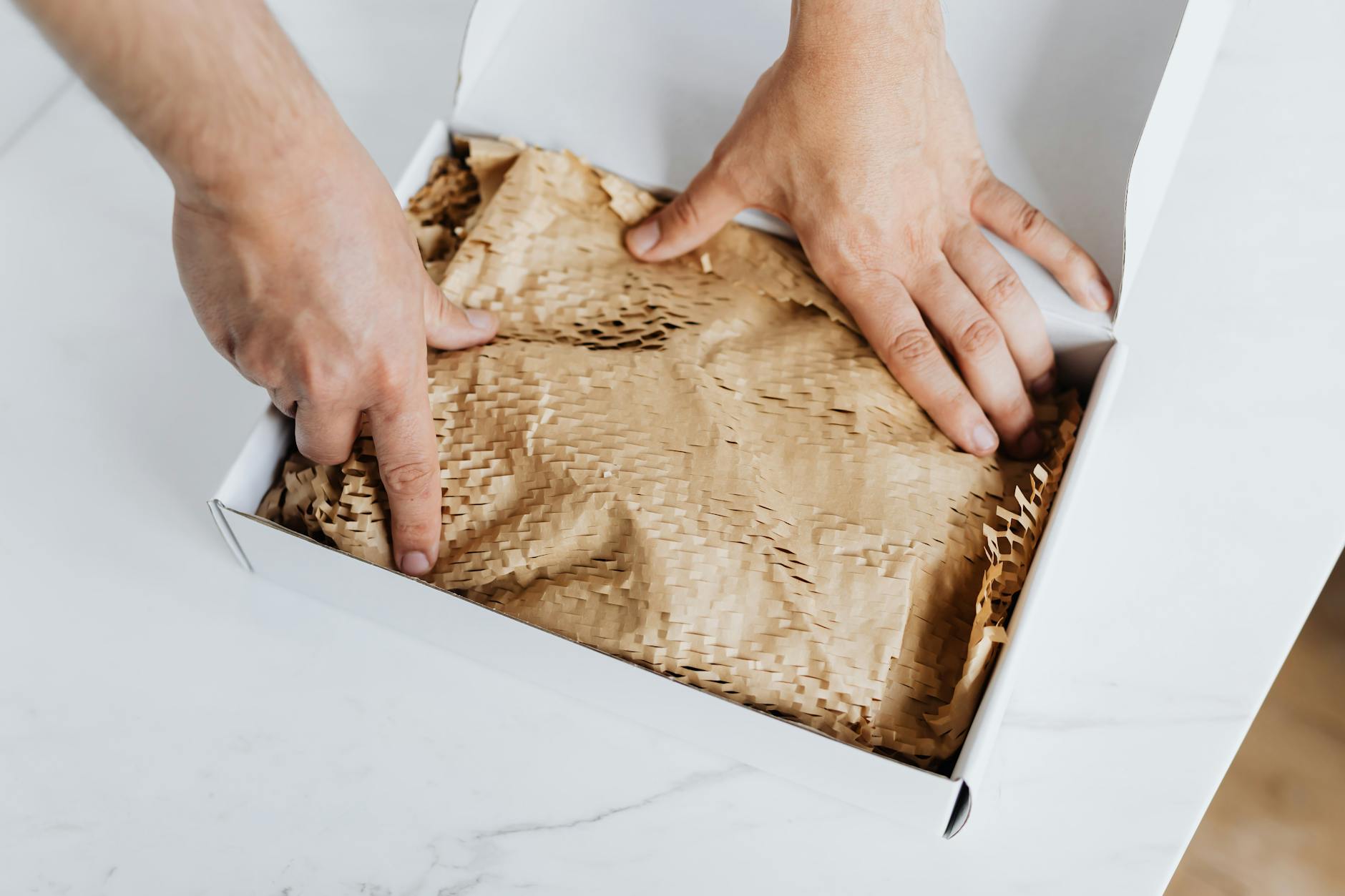
If you’re sourcing promotional products for Melbourne clients, eco-friendly packaging has shifted from a nice-to-have to a genuine business expectation. Whether you’re a marketing agency briefing a campaign for a sustainability-focused brand, a reseller managing bulk orders for a corporate client, or a business preparing merchandise for your next trade show or product launch, the packaging you choose sends a powerful message before anyone even opens the box. In a city as environmentally conscious as Melbourne — where councils, universities, and leading brands have been driving circular economy initiatives for years — getting your branded packaging right isn’t just about aesthetics. It’s about values, compliance, and competitive differentiation.
This guide walks you through everything you need to know about eco-friendly packaging in Melbourne: what it actually means, which materials are worth considering, how decoration methods interact with sustainable substrates, and how to brief a supplier so your next project lands well.
What Does Eco-Friendly Packaging Actually Mean?
The term “eco-friendly packaging” gets thrown around constantly, but it covers a surprisingly wide range of materials and practices. For resellers and marketing agencies working with Melbourne businesses, it helps to break this down into categories your clients and suppliers will actually understand.
Recyclable Packaging
Recyclable packaging is made from materials accepted by Australian kerbside collection programs — think corrugated cardboard, kraft paper, and certain grades of cardboard. Melbourne’s waste and recycling infrastructure is relatively mature, meaning products packaged in clearly recyclable materials are genuinely likely to be processed rather than ending up in landfill.
Compostable and Biodegradable Options
Compostable packaging breaks down in industrial composting facilities within a defined period — typically 90 to 180 days under Australian Standard AS 4736. Products labelled “compostable” should carry this certification if you’re making genuine claims to clients. Biodegradable is a broader (and less regulated) term, so it’s worth being specific with your supplier about what certifications the materials hold.
Recycled Content Materials
Packaging made from post-consumer recycled (PCR) content — such as recycled cardboard, recycled plastic, or reclaimed ocean plastic — reduces demand for virgin materials. For businesses in Melbourne looking to support their environmental reporting, PCR content can often be verified through supplier documentation.
Reusable Packaging
Reusable packaging is arguably the most impactful option because it eliminates single-use waste entirely. Branded reusable bags, tote bags, and carry solutions that become part of a product offering tick multiple boxes at once — they carry your client’s logo, reduce packaging waste, and often become cherished keepsakes. If you’re curious about how reusable bags work as a promotional vehicle, our guide to promotional products and bags in Australia covers the full range of applications.
Why Melbourne Businesses Are Prioritising Eco-Friendly Packaging
Melbourne has consistently positioned itself as one of Australia’s most sustainability-forward cities. The Victorian government’s Recycling Victoria strategy, local council waste reduction targets, and the growing expectations of Melbourne consumers have all pushed businesses to reconsider how they package and present products — including promotional merchandise.
For resellers, this creates real opportunity. Marketing agencies and promotional product resellers who can confidently navigate eco-friendly packaging options are better placed to win accounts with ESG-driven clients, government departments, universities, and major corporates. Inner Melbourne councils, in particular, have been prolific buyers of sustainable branded merchandise — from eco-packaged conference kits to compostable carry bags at community events.
There’s also a compliance dimension. Victoria has moved progressively on single-use plastics legislation, and while this primarily targets food service items, it signals a direction that savvy businesses are getting ahead of. Ordering promotional products in poly bags or blister packs for a Melbourne government client in 2026, for instance, is likely to raise eyebrows even if it’s technically permissible.
Eco-Friendly Packaging Options for Promotional Products
Understanding the landscape of packaging options helps you have more productive conversations with suppliers and clients. Here’s a breakdown of the most common eco-packaging choices in the promotional products space.
Kraft Paper and Corrugated Cardboard Mailers
Kraft paper mailers and corrugated cardboard boxes remain the most widely used eco-packaging choice for promotional merchandise. They’re cost-effective, widely recyclable, and can be custom-printed with your client’s branding. For items like personalised towels, branded stationery, or promotional stubby holders sent out in corporate gifting campaigns, a well-presented kraft mailer adds premium feel without adding environmental cost.
Seed Paper and Plantable Packaging
A growing niche, seed paper packaging is made from recycled materials embedded with wildflower or herb seeds. Recipients plant the packaging after use. It’s a remarkable conversation starter — particularly for launches, events, and gifting campaigns where the packaging itself becomes part of the brand story. Seed paper is particularly popular with Melbourne businesses in the wellness, beauty, and education sectors.
Recycled Tissue Paper and Shredded Paper Fill
Replacing polystyrene void fill and bubble wrap with recycled tissue paper or kraft paper shred is a simple swap with meaningful impact. It’s widely available from Australian suppliers, handles well in fulfilment operations, and photographs beautifully for unboxing content — something marketing agencies increasingly value.
Mushroom and Moulded Pulp Packaging
For higher-value promotional items like UV-printed drinkware or novelty USB drives, moulded pulp packaging (made from recycled paper pulp) provides excellent product protection while being fully compostable. Mushroom packaging — grown from mycelium — is available through specialist suppliers and works well for custom-moulded inserts.
Reusable Branded Boxes and Tins
For premium corporate gifting, reusable branded tins or rigid boxes that recipients keep and repurpose are a highly effective packaging strategy. The packaging itself becomes a branded touchpoint that lives on a desk or bookshelf — making it a two-for-one marketing investment. If you’re putting together a premium gift set, our Valentine’s Day promotional gifts guide illustrates how packaging enhances perceived value in gifting contexts.
Decoration Methods and Their Compatibility With Eco Packaging
Choosing sustainable packaging is one consideration; ensuring your decoration method is compatible is another. Here’s what resellers and agencies need to know.
Screen printing services in Melbourne can be applied to kraft paper and cardboard using water-based inks, which dramatically reduce solvent emissions compared to conventional plastisol inks. Request water-based or soy-based inks from your supplier — most quality Melbourne printers now offer this as standard on eco packaging runs.
For packaging that requires more colour-accurate branding, digital printing onto recycled substrates is widely available and produces excellent results without setup fees. This makes it practical for shorter runs — useful when you’re managing multiple SKUs for a client’s product launch.
Foil stamping and embossing add tactile premiums to recycled cardboard packaging without compromising recyclability, provided water-based adhesives are used rather than heat-activated synthetic films.
Avoid lamination where possible — even on recycled board, plastic lamination renders packaging non-recyclable in standard Australian waste streams. If your client needs a laminated finish for durability, biodegradable PLA laminate is now available through specialist Australian suppliers.
Practical Tips for Resellers and Marketing Agencies
Navigating eco-friendly packaging for Melbourne clients involves managing supplier relationships, client expectations, and project timelines simultaneously. Here are some practical considerations to keep in mind.
MOQs and lead times: Eco packaging, particularly custom-printed options, often comes with higher minimum order quantities than standard packaging. Plan for MOQs of 250–500 units as a starting point for custom-printed kraft mailers, and allow 10–15 business days for production on top of any print turnaround. For larger campaigns — say, a Melbourne university sourcing 2,000 conference packs — lead times of 3–4 weeks are typical.
Certifications matter: When briefing suppliers, ask specifically for FSC certification on paper and cardboard products, AS 4736 certification for compostables, and any recycled content verification documentation. These are increasingly required for government and university procurement.
Bundle eco packaging with eco products: The most powerful campaigns pair eco-friendly packaging with inherently sustainable promotional items. Think branded plant pots in seed paper wrap, or sustainable branded umbrellas presented in recycled corrugated boxes. When the packaging and product align, the sustainability story becomes genuinely compelling.
Consider the full unboxing experience: For direct mail and corporate gifting, the unboxing experience is a marketing moment. Recycled shredded paper, plantable seed cards, and branded kraft tissue can be layered to create a premium feel that doesn’t compromise on eco credentials. This is particularly relevant for promotional drawstring backpacks or branded merchandise kits where presentation matters.
Don’t overlook regional clients: While Melbourne is the primary focus here, many resellers supply across Victoria and beyond. The same eco packaging principles apply whether you’re fulfilling to Geelong, Ballarat, or even businesses in Alice Springs or promotional products in the ACT.
Working With Suppliers on Eco-Friendly Packaging in Melbourne
Melbourne has a well-developed supplier ecosystem for eco-friendly packaging. When briefing suppliers, come prepared with your client’s sustainability requirements, certification needs, expected volumes, and deadline. Providing a brief that includes brand guidelines, Pantone colour references, and preferred material specs will dramatically speed up the quoting process.
For resellers managing multiple client accounts, it’s worth establishing preferred supplier relationships for eco packaging early in the year so you can move quickly when briefs come in. Having a go-to for kraft mailers, moulded pulp inserts, and reusable branded boxes means you’re never starting from scratch.
If your clients are sourcing branded merchandise alongside packaging — such as lanyards, tote bags, or event merchandise — look for suppliers who can bundle both under one account to simplify logistics and reduce freight emissions. Our guide to promotional lanyards in Adelaide is a useful reference for how accessories like lanyards can be co-packaged with other merchandise in sustainable carry solutions.
Key Takeaways
Eco-friendly packaging in Melbourne is a growing priority for businesses, agencies, and resellers who want to align their merchandise strategies with genuine sustainability values. Here’s what to take away from this guide:
- Material choice matters: Recyclable kraft, FSC-certified cardboard, compostable materials, and reusable packaging each serve different purposes — match the packaging type to the campaign’s sustainability objectives and client certifications required.
- Decoration method compatibility: Water-based inks, digital printing, and foil stamping work well on eco substrates; avoid plastic lamination where recyclability is important.
- MOQs and lead times: Plan for higher minimums and longer lead times than standard packaging — eco-packaging runs typically require 250–500 unit minimums and 10–15 business day production windows.
- Bundle product and packaging: The strongest sustainable campaigns pair eco-friendly products with eco-friendly packaging — the combined story is more powerful than either element alone.
- Supplier relationships are key: Melbourne’s supplier ecosystem for eco packaging is mature — build preferred supplier relationships early so you can respond to briefs quickly and confidently.