
How the Elements of Design Art Elevate Your Promotional Products in Australia
Discover how applying the elements of design art to branded merchandise helps Australian businesses create standout promotional products.

Written by
Dane Santos
Branding & Customisation
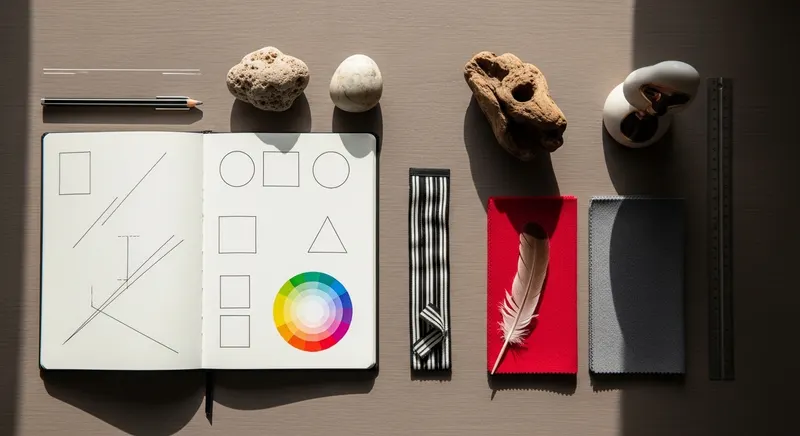
When it comes to promotional products, there’s a common misconception that good branding is simply a matter of slapping a logo on an item and calling it done. In reality, the most effective branded merchandise — the kind that gets noticed, remembered, and actually used — is built on a solid understanding of the element of design art. Whether you’re a marketing agency sourcing corporate gifts for a Melbourne tech company, a reseller building out a product catalogue, or an in-house marketer planning a Brisbane trade show campaign, understanding how design principles apply to merchandise can genuinely transform your results. This guide walks you through the core elements of design art and shows you how to apply them practically when briefing suppliers, approving artwork, and selecting the right products.
What Is the Element of Design Art and Why Does It Matter for Branded Merchandise?
The elements of design art refer to the fundamental building blocks that visual artists and designers use to create any piece of visual communication. These include line, shape, colour, texture, space, form, value, and typography. In the context of promotional products, these aren’t abstract concepts — they directly influence how a branded item looks in someone’s hands, whether a logo reads clearly when embroidered on a polo shirt, or whether a message on a tote bag is legible from across a room.
For businesses and resellers operating in Australia’s competitive branded merchandise space, getting these fundamentals right is the difference between a product that builds brand equity and one that ends up in the bin. Decoration methods like screen printing, embroidery, sublimation, and laser engraving each interact with design elements differently, which makes understanding them even more critical when selecting products and briefing artwork teams.
Let’s break down each core element and explore how it applies to promotional merchandise.
The Core Elements of Design Art and Their Application to Promo Products
Colour
Colour is arguably the most powerful element of design art in promotional merchandise. It evokes emotion, communicates brand identity, and influences purchasing decisions. For branded products, colour must be considered in the context of the decoration method being used.
Screen printing allows for PMS colour matching, giving you precise control over your brand palette. Sublimation, on the other hand, produces vivid, full-colour results but works best on white or light-coloured substrates — something to keep in mind when choosing product bases. If you’re ordering sublimation shirts or exploring sublimation services for promotional products in Melbourne, understanding how colour behaves in this process is critical for accurate results.
When briefing your supplier, always provide PMS codes alongside RGB or CMYK values. Colour rendering varies between materials — a deep navy on a cotton tee may look different on a polyester bag or ceramic mug.
Line and Shape
Lines create structure, direct the eye, and define boundaries within a design. Shapes — whether geometric or organic — form the foundation of logos, icons, and decorative elements. In branded merchandise, line weight matters enormously, especially for embroidery. Fine lines below 1–2mm often don’t translate well when stitched at small sizes, so simpler, bolder shapes tend to perform better for apparel decoration.
For products like trucker caps or sunshine hats, where the embroidery area is relatively small and curved, simplifying your logo to clean, defined shapes will always produce a better result than trying to replicate a complex, multi-detail design.
Texture
Texture in design refers both to visual texture (the illusion of surface variation in artwork) and physical texture (the actual feel of a product). In promotional merchandise, both matter. A debossed logo on a leather-look notebook creates a tactile, premium experience. A raised screen print on a tee adds visual depth and a distinct feel.
When selecting products like personalised towels or gym towels, think about how texture influences the perception of quality. A plush, well-decorated towel with a cleanly embossed or embroidered logo communicates professionalism in a way that a flat, poorly printed version simply can’t.
Space and Proportion
Negative space — the area around and between design elements — is just as important as the elements themselves. Overcrowded artwork on a promotional product looks cluttered and unprofessional. Proper spacing ensures logos and messages breathe, read clearly, and carry visual weight.
Proportion also matters. A logo that’s too large dominates a product and feels aggressive; one that’s too small gets lost. For items like wine bag coolers or work cool bags, the print area dimensions will guide optimal logo sizing. Ask your supplier for exact print area specifications before submitting artwork.
Typography
Type is one of the most technically demanding elements of design art to get right in promotional merchandise. Font choice, weight, spacing, and sizing all affect legibility and brand perception. As a general rule, serif fonts can be harder to reproduce at small sizes via embroidery, while bold sans-serif fonts tend to perform reliably across most decoration methods.
For items like branded notebooks, lanyards, or USB novelty products, where small text may be required, opt for clean, simple typefaces and ensure the minimum text height meets your supplier’s requirements (typically 6pt or above for print, larger for embroidery).
Value and Contrast
Value refers to the lightness or darkness of a colour, and contrast is how these values interact. High contrast between a logo and its background ensures legibility — think a white logo on a dark navy tee. Low contrast, such as a light grey logo on a white bottle, will be difficult to read and won’t photograph well for marketing use.
When ordering products through UV printing and curing processes for promotional drinkware, ensure your artwork has sufficient contrast to stand out on the chosen substrate. Always request a physical sample or digital proof before committing to a full production run.
Applying Design Art Elements Across Different Product Categories
Understanding the element of design art in theory is one thing; applying it across different promotional product categories requires practical knowledge of what each decoration method can achieve.
Apparel
For tees and shirts, screen printing and direct-to-garment (DTG) printing allow for the most colour flexibility. If your design involves gradients or photographic imagery, sublimation or DTG are your best options. Embroidery is ideal for polo shirts, caps, and workwear where durability and a premium look are priorities.
Accessories and Events
Wristbands, lanyards, and event merchandise benefit from bold, simple designs. High contrast and minimal detail work best at smaller scales. If you’re running an event in Adelaide or Sydney, check our guide to event wristbands and wristbands for events for sizing, material, and decoration options.
Eco and Sustainable Products
Design choices also carry brand messaging beyond aesthetics. Choosing sustainable materials — bamboo, recycled plastics, organic cotton — communicates environmental values. A well-designed bamboo toothbrush with a clean, minimal logo says something meaningful about a brand’s priorities. For businesses exploring environmentally responsible gifting, our roundup of sustainable promotional items and sustainable branded umbrellas for outdoor businesses covers a wide range of options.
Seasonal and Gifting
Seasonal gifting calls for design choices that align with the occasion. Valentine’s Day campaigns, for instance, benefit from warm palettes, organic shapes, and considered typography. Explore our guide to Valentine’s Day promotional gifts in Australia for product and design inspiration tailored to this campaign period.
For outdoor promotions, products like wholesale umbrellas and USB extension cables offer practical gift options — both requiring clean, high-contrast artwork to ensure brand visibility.
Don’t overlook travel and health-focused gifting either. A traveller’s first aid kit with a well-placed, professional logo can be a thoughtful and memorable corporate gift that travels far beyond the initial recipient.
Working With Suppliers to Get Design Right
Once you understand the core elements of design art, the next step is communicating them effectively to your supplier. Here are some practical tips:
- Provide vector artwork (AI or EPS files) wherever possible — this ensures your design can be scaled without quality loss
- Specify PMS colours to ensure accurate colour reproduction across materials
- Request a proof before approving production — both digital and physical samples where budget allows
- Confirm print area dimensions upfront to guide artwork proportions
- Simplify complex logos for embroidery-heavy applications — ask your decorator for a stitch-out sample
Building a strong working relationship with your supplier and communicating design expectations clearly will save time, reduce reprints, and deliver better outcomes for your clients.
Conclusion: Design Art Elements Are the Foundation of Standout Branded Merchandise
Understanding and applying the element of design art is not just for graphic designers — it’s essential knowledge for anyone involved in sourcing, ordering, or approving promotional merchandise. From colour and contrast to typography and space, every design decision influences how a branded product looks, feels, and performs in the real world.
Key takeaways for businesses and resellers:
- Colour accuracy requires method knowledge — always provide PMS codes and understand how your chosen decoration process handles colour
- Simplicity often wins — cleaner, bolder designs reproduce more reliably across embroidery, engraving, and screen printing
- Space and proportion matter — overcrowded artwork reduces legibility and perceived quality
- Match your decoration method to your design — not all artwork suits all decoration techniques
- Always proof before production — digital and physical samples protect your investment and your client relationships
By approaching branded merchandise with the same design rigour you’d apply to any marketing asset, you’ll consistently deliver products that make a lasting impression — regardless of whether you’re outfitting a corporate team in Perth, running a conference in Canberra, or building out a reseller catalogue across multiple categories.