
How to Evaluate Promo Brands and Find the Right Promotional Supplier in Australia
Discover how to assess promo brands, compare suppliers, and source quality promotional products that deliver real results for your business.

Written by
Dane Santos
Branding & Customisation
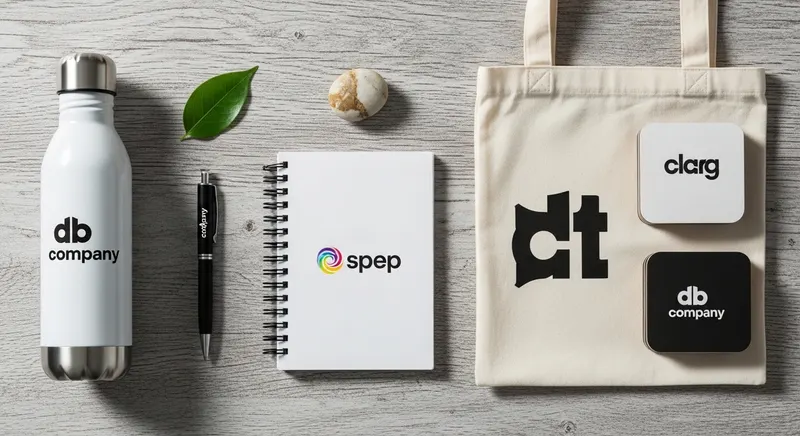
Choosing the right promo brands to work with is one of the most important decisions a marketing agency, reseller, or business owner can make. With hundreds of suppliers operating across Australia — from Sydney warehouses stocking thousands of SKUs to boutique Brisbane print shops specialising in custom apparel — the options can feel overwhelming. Get it right, and you’ll build a reliable supply chain that delivers quality, consistency, and competitive pricing. Get it wrong, and you’re fielding complaint calls about late deliveries, colour mismatches, and products that don’t reflect your client’s brand. This guide breaks down exactly what to look for when evaluating promo brands, how to compare suppliers effectively, and the questions every savvy reseller or marketing professional should be asking before placing an order.
What Do We Mean by Promo Brands?
Before diving into evaluation criteria, it’s worth clarifying what “promo brands” actually means in the Australian context. The term broadly refers to the suppliers, manufacturers, and distributors who produce and supply promotional products — from branded drinkware and custom apparel through to tech accessories, eco-friendly merchandise, and event giveaways.
In some cases, “promo brands” also refers to the product brands themselves. For instance, certain blank apparel labels are widely recognised within the industry for their quality, and knowing which brands your supplier stocks can tell you a lot about the standard of product you’ll receive. A supplier stocking premium blank tees from reputable garment brands signals a different level of quality commitment than one sourcing cheaply with no brand transparency.
For resellers and agencies, understanding the full landscape of promo brands means distinguishing between:
- Importers and distributors who bring products in from offshore and sell to resellers
- Decorators and print shops who apply branding to blank products
- Full-service promotional suppliers who handle both product sourcing and decoration in-house
- Niche specialists who focus on a single product category, such as branded bags or sustainable merchandise
Each model has its own advantages depending on what you need and how you like to work.
Key Criteria for Evaluating Promo Brands
Not all promo brands are created equal, and evaluating them properly requires looking beyond price. Here’s a framework that experienced resellers and marketing professionals across Australia use when vetting suppliers.
Product Range and Depth
A supplier’s product range tells you how versatile they are as a long-term partner. Can they help you source everything from a sunshine hat for a Gold Coast outdoor event to a bamboo toothbrush for a health and wellness campaign? Breadth matters, but so does depth within individual categories.
Look for suppliers who regularly refresh their catalogues. Trends shift quickly in promotional merchandise, and a supplier still pushing the same product range from several years ago may not be keeping pace with what buyers actually want in 2026.
Decoration Capabilities and Quality
How a product is branded matters just as much as the product itself. Different decoration methods suit different items and applications. Understanding the difference between screen printing, embroidery, laser engraving, sublimation, and pad printing will help you ask the right questions.
For example, sublimation printing is excellent for polyester apparel and certain hard goods — our in-depth look at sublimation shirts and their decoration possibilities is a great starting point for understanding the method’s applications. For drinkware, it’s worth understanding the technical side too, including the UV printing and curing process used for promotional drinkware, which affects both finish quality and durability.
Ask potential suppliers for physical samples before committing. A spec sheet can promise a lot; a physical product in your hands tells the real story.
Minimum Order Quantities (MOQs)
MOQs vary considerably between promo brands. Some suppliers require a minimum run of 500 units for certain products, while others offer flexibility down to 25 or even 10 pieces — particularly for digitally printed or engraved items.
For resellers managing multiple small clients — perhaps a small Canberra charity ordering branded event wristbands or a Perth real estate agency wanting a short run of branded merchandise for a property launch — low MOQs can be a genuine dealbreaker. Always clarify MOQs upfront, especially if you’re testing a new product category.
Turnaround Times and Production Reliability
Deadlines in the promotional products world are often non-negotiable. A trade show in Melbourne or a conference in Adelaide doesn’t move because your merchandise order ran late. Ask suppliers directly about their standard production turnaround and their track record for on-time delivery.
Red flags to watch for include vague turnaround estimates (“approximately two to four weeks”), no clear communication about delays, and limited visibility into order status. The best promo brands provide clear production timelines upfront and communicate proactively if anything changes.
Sustainability Credentials
Sustainability is no longer optional — it’s a buying driver. Clients across government, corporate, and education sectors are asking for eco-friendly options, and the promo brands best positioned for long-term relevance are those investing in sustainable product ranges.
When assessing a supplier’s sustainability credentials, look for genuine commitments: recycled materials, FSC-certified paper products, reusable alternatives, and transparent sourcing. Our overview of sustainable promotional items covers what to look for when evaluating eco-friendly ranges, and you’ll find specific product ideas such as sustainable branded umbrellas for outdoor businesses that resonate particularly well in 2026.
Questions to Ask Before Committing to a Promo Brand
Once you’ve shortlisted potential suppliers, asking the right questions can save you from costly mistakes. Here are the most important ones:
1. Do you offer pre-production samples or digital proofs? Responsible promo brands will always offer a proof before running a full order. Digital proofs should be standard practice; physical pre-production samples are ideal for larger or more complex orders.
2. How do you handle PMS colour matching? Brand colours matter enormously to your clients. Ask how the supplier manages Pantone Matching System colours across different decoration methods. Some techniques, such as embroidery, involve interpretation of colour rather than exact reproduction.
3. What are your artwork requirements? Most professional suppliers require vector files (AI, EPS, or PDF) for screen printing and embroidery. Suppliers who claim to work from any file format without caveats may cut corners on quality.
4. What is your policy on damaged or incorrect goods? Mistakes happen. How a promo brand handles them tells you everything about their professionalism. Look for clear, documented policies on reprints, replacements, and credit processes.
5. Do you provide inventory or warehouse solutions for high-volume resellers? If you’re managing a large client with ongoing branded merchandise needs — say, a national retailer rolling out branded work cool bags or personalised towels to staff across multiple states — a supplier with warehousing and fulfilment capabilities adds significant value.
Product Categories Worth Prioritising in 2026
The promotional products landscape continues to evolve. Certain categories are seeing particularly strong demand right now, and aligning your supplier relationships with these trends puts you in a stronger commercial position.
Drinkware and Reusable Products
Reusable drinkware remains one of the most universally requested categories. Branded keep cups, insulated bottles, and tumblers are consistently popular with corporate clients, universities, and event organisers alike. Look for promo brands with strong drinkware ranges that can accommodate a variety of decoration methods.
Apparel and Headwear
Custom apparel is perennially in demand. From basic tees for promotional events to trucker caps for brand activations, apparel offers high visibility and strong perceived value. Ensure your supplier can handle both small runs and bulk orders across a range of garment styles.
Bags and Totes
Branded bags — whether wine bag coolers for hospitality clients or gym towels and tote bags for health and fitness brands — offer excellent logo visibility and practical value. These products tend to have longer use lives, which translates to better brand exposure per dollar spent.
Tech Accessories
Tech products remain popular corporate gifting choices. Items like USB novelty drives and USB extension cables work well as conference giveaways and client gifts, particularly for tech-forward organisations.
Event and Seasonal Merchandise
Seasonal campaigns drive consistent volume for resellers. Valentine’s Day promotional gifts are a prime example of seasonal merchandise that requires advance planning and a reliable supplier relationship. Similarly, wristbands for events and event wristbands are perennial staples for festivals, sporting events, and charity functions across Australia.
Health, Safety, and Travel
With corporate travel returning to pre-2020 levels, products like traveller’s first aid kits have found renewed relevance as thoughtful, practical branded gifts. Health and wellness products in general are gaining traction with organisations investing in staff and client wellbeing.
Building Long-Term Supplier Relationships
Finding great promo brands isn’t just a one-time research project — it’s about building partnerships. The most successful resellers and agencies treat their best suppliers as genuine business partners: communicating forecasts early, providing clear briefs, paying on time, and giving feedback that helps both parties improve.
Suppliers who know your business will go the extra mile when you’re under pressure. Whether it’s a rush order for a Brisbane expo or a last-minute addition to a Sydney product launch, having a trusted supplier relationship is worth more than the cheapest price on any given day.
Consider consolidating your supplier base over time. Working with three to five high-quality promo brands across different specialities — rather than constantly chasing the cheapest quote from an ever-changing roster — creates consistency for your clients and commercial leverage for your business.
Conclusion: Key Takeaways for Evaluating Promo Brands
Navigating the Australian promotional products market requires a clear framework, the right questions, and a commitment to building genuine supplier partnerships. Here’s a summary of the most important points covered in this guide:
- Evaluate promo brands on product range, decoration quality, MOQs, turnaround reliability, and sustainability credentials — not on price alone.
- Request samples and proofs before committing to any new supplier or product category to avoid costly surprises.
- Understand the decoration methods relevant to the products you’re sourcing — knowledge of techniques like sublimation, screen printing, and UV printing helps you have more informed conversations with suppliers.
- Ask about policies on errors, delays, and reprints before you place an order, not after something goes wrong.
- Build long-term relationships with a consolidated group of trusted promo brands to create consistency, reliability, and commercial advantage for your business.
The Australian promotional products industry is rich with quality suppliers — the key is knowing how to find them, evaluate them, and work with them effectively. Use this guide as your starting point, and you’ll be far better positioned to deliver outstanding results for your clients.