
The Complete Guide to Polo Clothing for Branded Workwear and Promotional Apparel
Discover how to source, customise, and order branded polo clothing in Australia for workwear, events, and corporate merchandise.

Written by
Cleo Wright
Custom Apparel
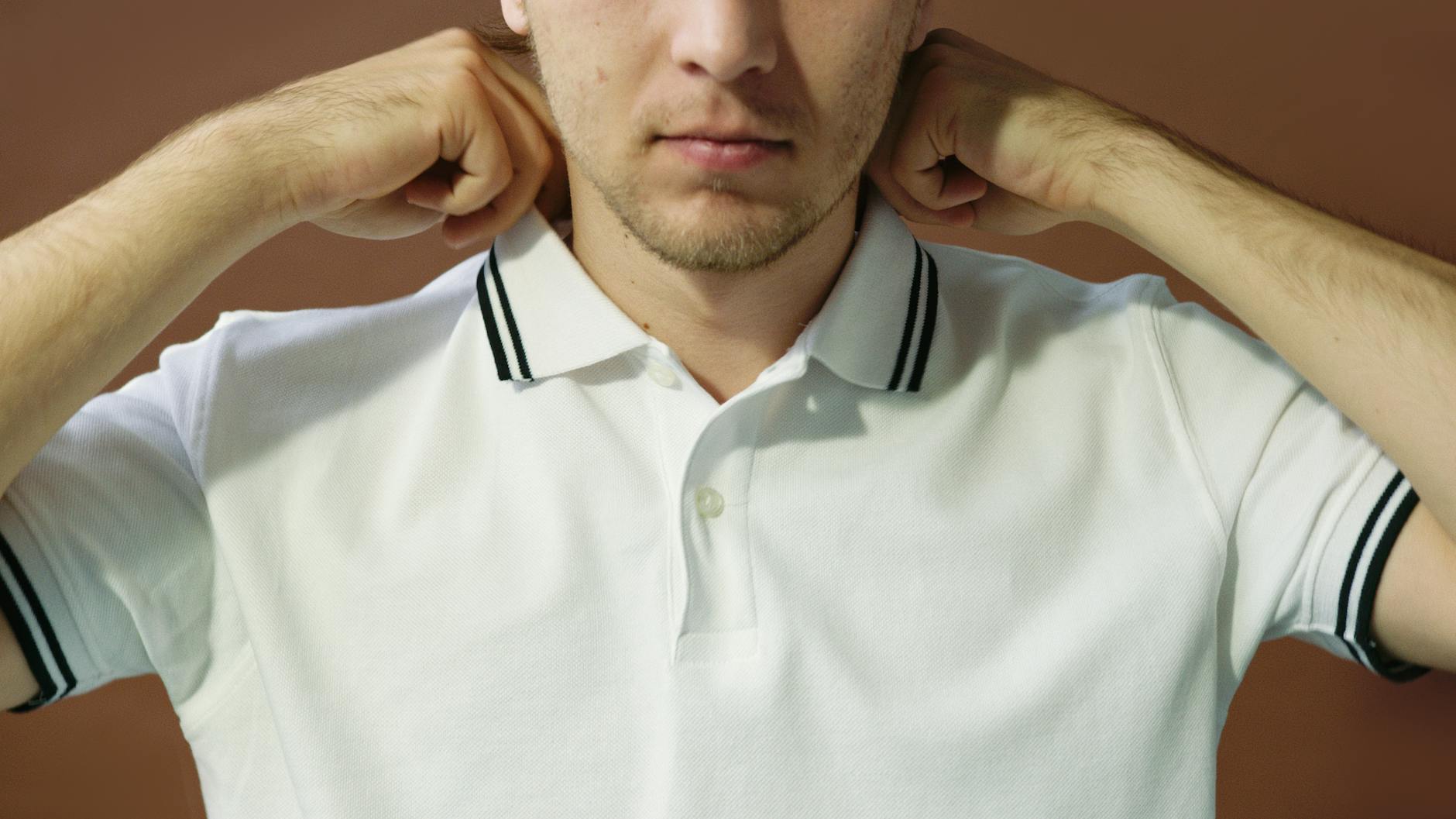
When it comes to branded apparel that strikes the perfect balance between professionalism and everyday wearability, polo clothing consistently sits at the top of the list. Whether you’re outfitting a customer-facing retail team in Sydney, coordinating uniforms for a Brisbane construction company, or sourcing staff shirts for a Melbourne corporate event, the humble polo delivers on almost every front. It’s versatile, universally flattering, easy to brand, and — when you get the right supplier — surprisingly affordable at scale. For businesses, marketing agencies, and resellers, understanding how to navigate the world of custom polo clothing is an essential skill that can save you time, money, and a lot of frustration.
Why Polo Clothing Remains a Staple in Branded Apparel
The polo shirt has been a wardrobe staple for decades, and for very good reason. Its structured collar and clean silhouette make it far more professional than a standard t-shirt, while its fabric and cut keep it far more comfortable than a formal button-down. For many Australian businesses, it represents the sweet spot of “smart casual” — a look that communicates credibility without the stiffness of corporate attire.
From a branding perspective, polos offer excellent decoration real estate. The left chest area is the most common placement for an embroidered or printed logo, but you’ll also see branding on the right chest, sleeves, or across the back. This flexibility makes polos suitable for a wide range of industries and applications.
Industries that consistently rely on polo clothing in Australia include:
- Corporate and professional services — law firms, accounting practices, financial advisers
- Retail and hospitality — staff uniforms in cafés, restaurants, bottle shops, and retail stores
- Healthcare and aged care — clinical and administrative teams
- Construction and trades — often paired with hi-vis or work pants
- Real estate agencies — a go-to for open home days and property events
- Schools and universities — sports carnivals, excursions, and faculty uniforms
- Government and councils — community engagement officers, field workers, and customer service teams
The breadth of industries using polo clothing is one of the reasons it’s such a valuable product category for resellers and promotional product suppliers to understand thoroughly.
Key Fabric Options for Custom Polo Clothing
Not all polo shirts are created equal, and fabric choice has a significant impact on how the finished product looks, wears, and brands up. When advising clients or placing orders, it pays to understand the most common options.
Cotton Polos
100% cotton polos are the traditional choice. They’re breathable, soft, and tend to accept embroidery exceptionally well. The trade-off is that they can shrink if not pre-shrunk, and they’re not ideal for physically active environments where moisture management matters. For corporate settings — think an Adelaide real estate agency or a Canberra government department — cotton polos are often the preferred choice.
Polyester and Performance Polos
Polyester-based polos (or poly-cotton blends) are increasingly popular for trade environments, sporting clubs, and outdoor-facing roles. They’re lightweight, moisture-wicking, and hold their shape wash after wash. Sublimation printing also works exceptionally well on high-polyester fabrics, enabling full-colour, all-over designs. For sporting clubs or events-focused orders, exploring sportswear branding options alongside polyester polos is worth doing early in the process.
Piqué and Jersey Fabrics
Piqué (the classic textured weave most people associate with polo shirts) sits in the mid-range in terms of breathability and structure. It holds embroidery well and photographs beautifully. Jersey-knit polos, on the other hand, have a smoother feel and drape more like a t-shirt — a popular choice when a softer, more relaxed aesthetic is desired.
Decoration Methods for Polo Clothing
Choosing the right decoration method is just as important as choosing the right polo. Each technique has its strengths and limitations, and the best choice depends on the artwork, fabric, volume, and budget.
Embroidery
Embroidery is arguably the most popular decoration method for polo clothing in Australia. It gives a premium, professional look that conveys quality — especially important for corporate clients who want their brand to look polished. Embroidery works best with simple, bold logo designs that don’t rely on gradients or fine detail. MOQs for embroidery can sometimes be as low as 12 pieces, though most suppliers prefer orders of 24 or more to make setup worthwhile.
Setup fees typically cover the digitising of your logo into an embroidery file. This is a one-time cost, and once digitised, the file can be reused for future orders.
Screen Printing
Screen printing is a cost-effective choice for larger order volumes (typically 25 pieces minimum) where one to six spot colours are used. It’s less suited to photographic or highly detailed artwork but produces vivid, durable results on cotton and cotton-blend fabrics. If you’re managing orders for Melbourne-based clients, it’s worth understanding the screen printing services available for promotional products in Melbourne to match your clients to the right supplier.
Heat Transfer and DTG (Direct-to-Garment)
Heat transfer printing and DTG allow for full-colour, photographic-quality prints with no minimum order requirements in many cases. They’re ideal for short runs, prototypes, or highly detailed artwork. The trade-off is that prints may not have the same longevity as embroidery or screen printing over extended wash cycles.
Sublimation
Sublimation is best suited to 100% polyester fabrics and enables stunning all-over prints with no limitations on colour. It’s the method of choice for sporting clubs, event teams, and organisations wanting something truly unique. For Melbourne-based businesses and resellers, understanding the sublimation services available for promotional products in Melbourne can open up a completely different tier of product for your clients.
Budgeting for Polo Clothing Orders
Pricing for branded polo clothing in Australia varies significantly based on the fabric quality, decoration method, order volume, and whether you’re ordering locally or through offshore manufacturing. Here’s a general guide:
- Entry-level polos (budget range): $8–$15 per unit before decoration, suitable for high-volume promotional events
- Mid-range polos (standard corporate): $15–$30 per unit, typically piqué or poly-cotton, embroidered or screen printed
- Premium polos (corporate gifting and uniforms): $30–$60+ per unit, premium fabrics, multi-location decoration
For resellers, it’s important to factor in setup fees, freight, and any rush surcharges when building your quote. Many resellers add a margin of 30–50% on top of supplier cost, depending on the complexity and volume of the order.
When helping clients budget across a broader branded merchandise campaign, it’s also worth reviewing options like promotional products for business to build a well-rounded package that might include polos alongside bags, drinkware, and accessories.
Ordering Tips for Businesses and Resellers
Getting a polo clothing order right requires more than just picking a product and sending a logo file. Here are the most important things to keep in mind:
Turnaround Times
Standard turnaround for branded polo clothing in Australia is typically 10–15 business days from artwork approval. Rush orders can sometimes be accommodated in 5–7 business days, often with a surcharge. For clients in regional areas — such as those needing promotional products in Alice Springs — factor in additional freight time, as metro-to-regional delivery can add two to five business days.
Size Runs and Quantities
Most suppliers require a minimum order of 12–24 pieces per colour/style, though this varies. Make sure to discuss size distributions early — most Australian workforces will need a spread across S through to 3XL, and some clients may request specific quantities in XXL or 3XL sizes which can carry a small additional charge.
Artwork Requirements
For embroidery, logos need to be vectorised and may need to be simplified. For print methods, high-resolution vector files (PDF, EPS, or AI format) are preferred. Always request a digital proof or physical sample before approving a large production run.
Sampling
For first-time orders over a certain dollar value, it’s worth requesting a pre-production sample. This adds time to the process but eliminates costly errors — particularly when dealing with colour-sensitive logos or premium clients.
Colour Matching
When brand colours matter (and they usually do), request PMS colour matching wherever possible. This applies to both embroidery thread and screen print inks. Without PMS matching, you risk colour variation between batches.
Polo Clothing as Part of a Broader Promotional Merchandise Strategy
Polo clothing is rarely ordered in isolation. Smart businesses and marketing agencies use it as an anchor product around which they build a complete branded merchandise bundle. A well-executed campaign might pair branded polos with promotional products from a broader range, alongside options like personalised towels, reusable drink bottles, or branded bags.
For corporate clients hosting conferences or expos in the ACT, pairing polos with promotional products specific to the ACT market makes for a cohesive, regionally relevant campaign. Similarly, for outdoor events and seasonal campaigns, complementary products like sustainable branded umbrellas or work cool bags pair naturally with a polo uniform.
Conclusion: Key Takeaways for Sourcing Branded Polo Clothing in Australia
Polo clothing continues to be one of the most versatile, professional, and brandable apparel options available in the Australian promotional products market. Whether you’re a reseller sourcing for a corporate client or a business building out your own uniform program, understanding the nuances of fabric, decoration, and ordering processes is what separates a frustrating experience from a seamless one.
Here are the key points to take away:
- Fabric matters — match the polo fabric to the end-use environment (cotton for corporate, performance poly for active or trade settings)
- Decoration method should match the artwork — embroidery for simple, premium logos; sublimation or DTG for complex, full-colour designs
- Budget realistically — include setup fees, freight, and potential rush costs in every client quote
- Plan for turnaround time — standard orders need 10–15 business days; regional deliveries need additional lead time
- Think beyond the polo — build complete branded merchandise packages to increase order value and client satisfaction
- Always proof before production — a digital proof or physical sample protects both you and your client from costly errors
Getting polo clothing orders right is a skill that pays dividends across every client relationship. With the right knowledge and the right supplier network, you’ll be well placed to deliver outstanding results every time.