
Sportswear Branding in Australia: The Complete Guide for Businesses and Resellers
Everything Australian businesses and resellers need to know about sportswear branding — decoration methods, MOQs, product selection, and supplier tips.

Written by
Dane Santos
Branding & Customisation
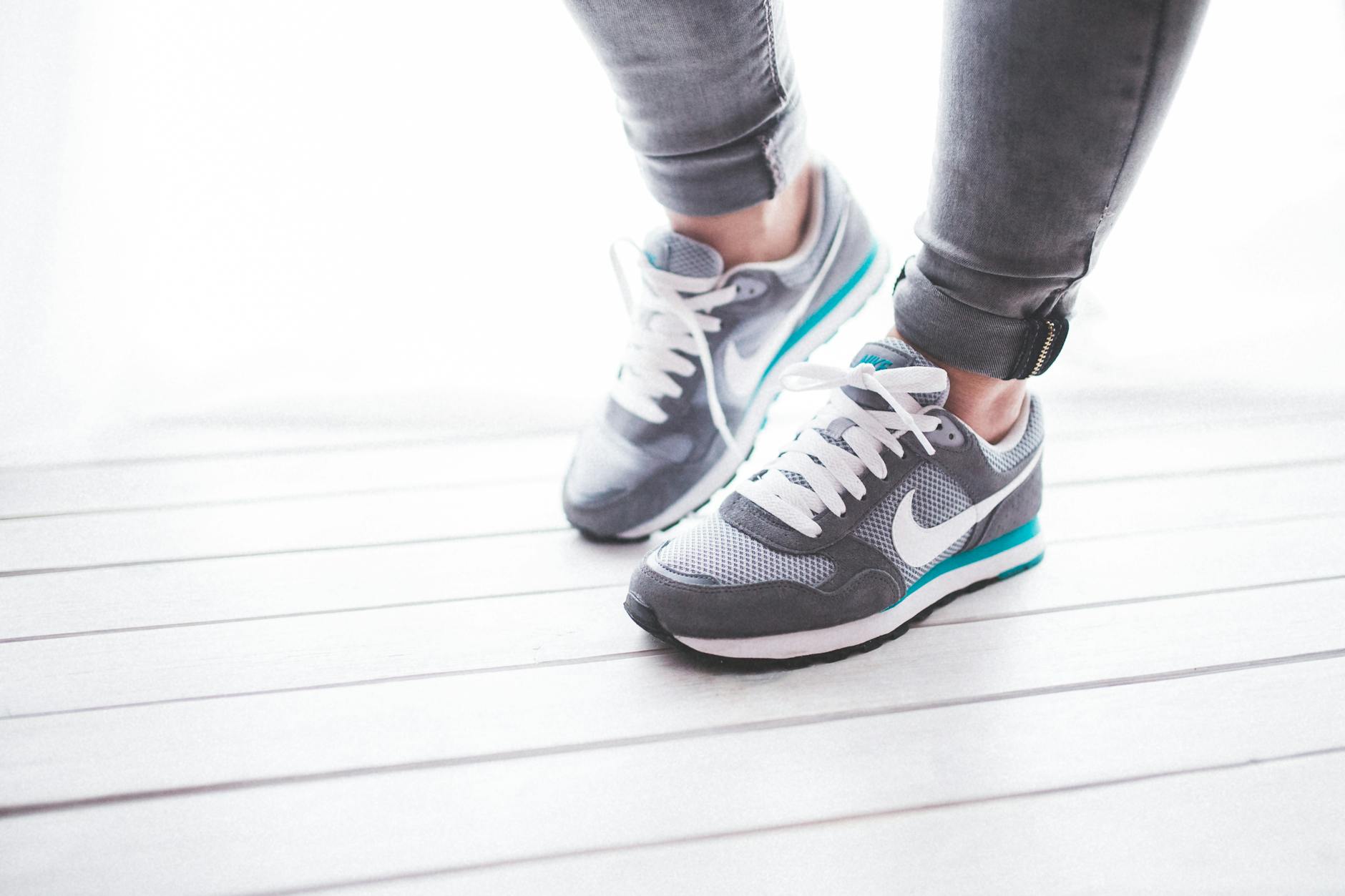
Whether you’re outfitting a local footy club in Adelaide, kitting out a corporate fun run team in Sydney, or supplying branded activewear for a national fitness franchise, sportswear branding is one of the most visible and impactful ways to get a logo in front of people. Unlike a branded pen that sits in a drawer, a well-decorated sports jersey or training shirt gets worn, seen, and remembered — on the oval, at the gym, on the streets, and across social media. For businesses, marketing agencies, and resellers looking to help their clients make a genuine impression, understanding how sportswear branding works in Australia is essential knowledge.
Why Sportswear Branding Is Such a Powerful Marketing Tool
There’s a reason sporting clubs, gyms, schools, and corporate wellness programs all invest heavily in branded activewear. Wearable merchandise creates walking billboards — and when the product is genuinely useful and well-made, people wear it again and again. That kind of repeated impression simply can’t be replicated by a flyer or a digital ad.
In Australia, the market for branded sportswear spans an enormous range of sectors. A Brisbane primary school ordering custom sports carnival t-shirts needs something different from a Melbourne personal training studio stocking branded crop tops and training shorts. A Perth mining company organising a charity fun run needs bulk, budget-friendly tees, while a Gold Coast triathlon club may want technical performance fabric with sublimation printing across full-colour race kits. The common thread across all of these scenarios is the need for professional decoration that holds up to regular use and washing.
From a reseller perspective, sportswear is a high-volume, repeat-order category. Clubs reorder each season. Gyms restock when they rebrand. Schools order every year for new enrolments. Understanding the full picture of sportswear branding sets you up to win and retain these clients.
Key Decoration Methods for Sportswear
Not all decoration methods are created equal, and the right choice depends on the fabric, the design, and the intended use. Here’s a breakdown of the most common methods used in Australian sportswear decoration.
Screen Printing
Screen printing is the go-to method for high-volume orders of cotton and cotton-blend sportswear. It’s cost-effective at scale, produces vibrant colours, and is well-suited to bold, simple designs. If you’re ordering 100 or more identical t-shirts for a fun run or school sports day, screen printing typically delivers the best per-unit cost. Our guide to screen printing services for promotional products in Melbourne goes into more detail on what to expect from the process, including setup fees and turnaround times.
One thing to keep in mind: screen printing is not ideal for highly detailed or photographic artwork. Designs with more than four or five colours also start to get expensive due to additional screen setup costs.
Sublimation Printing
For technical performance sportswear — think cycling jerseys, netball uniforms, swimming gear, and athletics vests — sublimation printing is the industry standard. It allows for full-colour, all-over designs that are embedded directly into the fabric rather than sitting on top. The result is a professional, durable finish that won’t crack, peel, or fade after multiple washes.
Sublimation requires polyester or high-polyester-content fabrics to work effectively. It’s particularly popular with Australian sporting clubs looking for custom uniforms that stand out on the field. There’s typically a higher setup cost involved, and MOQs can vary — some suppliers require as few as 10 pieces, while others prefer runs of 50 or more.
If you’re working with branded drinkware as part of a sportswear package, it’s worth reading about the UV printing and curing process for promotional drinkware to understand how UV-based decoration differs from sublimation.
Embroidery
Embroidery brings a premium, structured look that works beautifully on polo shirts, caps, jackets, and team hoodies. It’s the preferred method for corporate sportswear — think business polo days, company sports teams, or branded workwear with a sporty aesthetic. Embroidery is durable, professional, and elevates perceived product quality.
That said, embroidery is generally not suited to very large designs or fine detail. It also adds weight and stiffness to lightweight performance fabrics, so it’s better matched to mid-weight cotton or cotton-poly garments. For caps and headwear — a staple of any sportswear branding range — embroidery is almost always the first choice.
Heat Transfer and Direct-to-Film (DTF)
Heat transfer printing and the newer direct-to-film (DTF) method are excellent for small runs, complex multi-colour designs, or when working with mixed garment types. DTF in particular has gained significant traction in Australia over the past few years, offering high detail, soft hand feel, and compatibility with a wider range of fabrics than screen printing.
For resellers handling short-run custom orders or one-off event merchandise, DTF can be a practical and cost-effective option worth building into your supplier toolkit.
Choosing the Right Sportswear Products to Brand
The product selection process matters just as much as the decoration method. Here’s how to think through the options based on client needs and budget.
Performance Activewear vs. Casual Sportswear
There’s a meaningful difference between performance activewear (moisture-wicking, compression, technical fabrics) and casual sportswear (cotton tees, track pants, hoodies). Performance gear commands a higher price point and requires decoration methods that won’t compromise fabric function. Casual sportswear is more forgiving and generally cheaper to produce at scale.
For a corporate event, casual cotton tees with screen printing are usually the sweet spot. For a dedicated sporting club or gym, investing in performance fabrics with sublimation printing communicates quality and commitment to the brand.
Sizing and Inclusivity
One area that resellers and agencies often overlook is inclusive sizing. Australian workplaces, clubs, and schools are diverse communities, and ensuring your branded sportswear is available in a full size range — including plus sizes — is both respectful and practical. Our resource on plus-size custom t-shirts in Australia covers the key considerations for ordering inclusive ranges, including which suppliers stock extended sizing.
Accessories to Round Out a Sportswear Package
Branded sportswear packages rarely stop at a single garment. Here are some complementary products commonly bundled into sportswear orders:
- Caps and hats — embroidered caps are a perennial favourite for outdoor events, fun runs, and sporting clubs
- Drawstring bags — lightweight and practical for gym-goers and event participants; take a look at our overview of promotional drawstring backpacks for product options
- Towels — personalised towels are a natural fit for gyms, pools, and sporting events; explore the range via our personalised towels guide
- Stubby holders — popular at sporting club fundraisers and post-game events; see our breakdown of promotional stubby holders for more context
- Lanyards — useful at tournaments, conferences, and club events; check out our guide to promotional lanyards in Adelaide for region-specific sourcing tips
Bundling accessories alongside the core garments increases the per-order value and gives your clients a more cohesive brand experience.
Artwork, Print Areas, and Practical Considerations
Getting the artwork right is one of the most common sticking points in sportswear branding projects. Here’s what to brief your clients on before any order goes to print.
Print Area and Artwork Specs
Different garment types have different usable print areas. A front chest print on a t-shirt is typically 30–36 cm wide, while a left chest logo (common in corporate polos) is much smaller — around 8–10 cm wide. Our detailed print area size guide for promotional products is an essential reference for resellers and agencies managing artwork for clients.
Artwork should be supplied as vector files (.ai or .eps) wherever possible, particularly for screen printing and embroidery. For sublimation and DTF, high-resolution raster files (300dpi or above) are generally acceptable. Always request a digital proof before approving a production run — a small error on 200 t-shirts is a costly mistake.
PMS Colour Matching and Brand Compliance
For corporate clients and franchises, colour accuracy is non-negotiable. Most reputable Australian suppliers can accommodate PMS colour matching for screen printing and embroidery thread. Sublimation printing doesn’t support PMS matching in the same way — colours are printed via CMYK process, so minor variation is expected. Set this expectation with clients early to avoid disputes at delivery.
Turnaround Times and Rush Orders
Standard turnaround for branded sportswear in Australia is typically 10–15 business days from proof approval. For sublimation-printed custom uniforms, lead times can stretch to 3–4 weeks, particularly for overseas-manufactured garments. Rush options are available through some suppliers but usually attract a premium.
If you’re working on a tight timeline for an event, prioritise suppliers with local decoration capabilities. Cities like Sydney, Melbourne, Brisbane, and Perth all have well-established local decorators who can turn around screen printing and embroidery jobs faster than offshore production.
Sportswear Branding for Specific Sectors
Different sectors have distinct needs when it comes to branded activewear. Understanding these nuances helps resellers and agencies pitch the right solution.
Schools and education: Primary and secondary schools are high-volume, repeat-order clients. Sports carnivals, athletics days, and school swimming events all drive demand for budget-friendly, full-colour tees. If you’re sourcing for schools in regional areas, our guide to promotional products for businesses in Alice Springs touches on regional sourcing considerations worth knowing.
Corporate wellness and events: Companies running step challenges, fun runs, and team-building sports days are increasingly investing in quality branded activewear as part of their wellness programs. Businesses in the ACT, for example, often procure branded merchandise for government-sponsored health initiatives — our overview of promotional products in the ACT is a useful read for that market.
Sporting clubs and associations: From junior soccer clubs in Melbourne’s outer suburbs to surf lifesaving clubs on the Sunshine Coast, Australian sporting clubs represent some of the most loyal, repeat-buying customers in the promotional products space. Budget is often tight, so helping these clients understand the value of sublimation for durability and visual impact is key.
Gyms and fitness brands: Gym-branded merchandise is a proven revenue stream and marketing tool. Beyond clothing, items like promotional bags for gyms and branded drink bottles round out the product offering nicely.
For youth-focused events and sports programs, it’s also worth considering unconventional branded items — our piece on promotional branded skateboard grip tape for youth events is a good example of thinking outside the standard merchandise box.
Key Takeaways for Sportswear Branding Success
Whether you’re a reseller pitching to a new client, a marketing agency managing a national campaign, or a business sourcing branded gear for your team, sportswear branding delivers some of the best return on investment in the promotional products space. Here’s what to keep in mind:
- Match the decoration method to the fabric and design — sublimation for performance gear, screen printing or DTF for cotton casual wear, embroidery for premium corporate pieces
- Plan artwork early — supply vector files, confirm print areas, and always approve a digital proof before production runs begin
- Factor in inclusive sizing — covering a full size range shows respect for your audience and avoids the awkward reorder conversation
- Bundle complementary products — caps, bags, towels, and accessories build out a complete package and increase order value
- Know your lead times — standard turnarounds are 10–15 business days, so plan ahead for events, seasons, and launches
- Leverage repeat business — sporting clubs, schools, and gyms reorder every year; build strong relationships with these clients and sportswear branding becomes a reliable revenue stream for your business